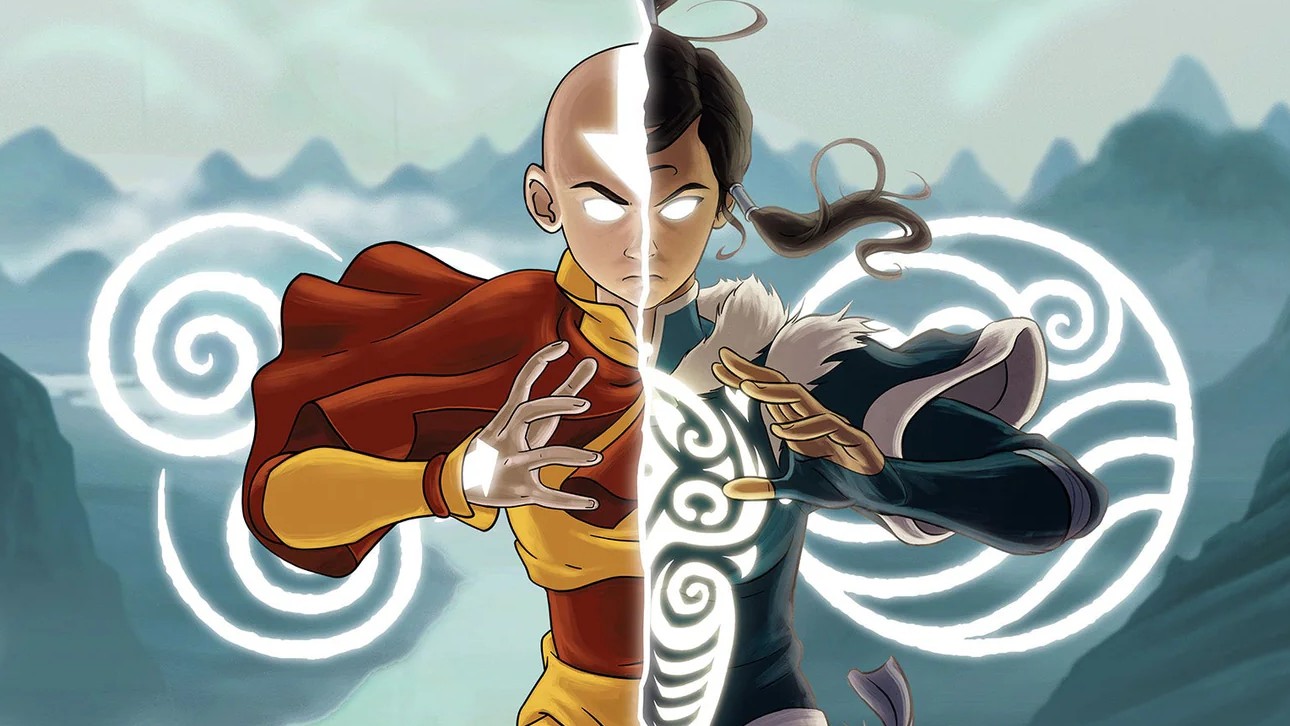
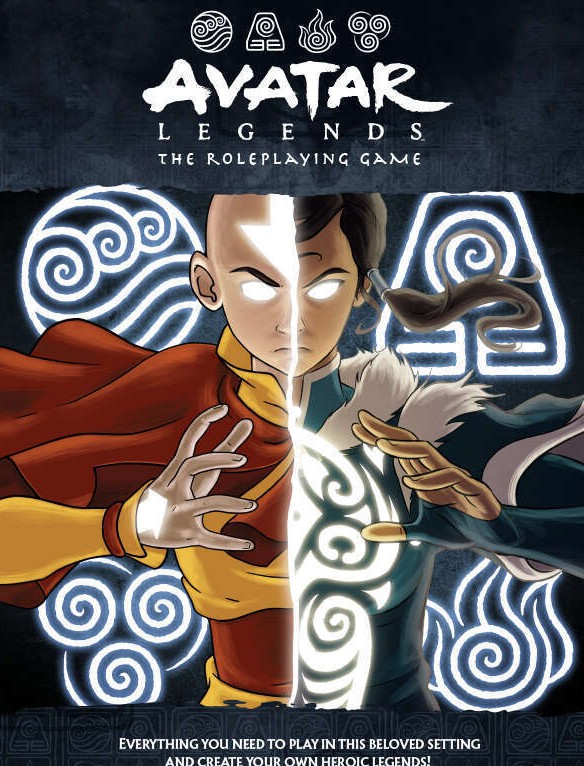
Avatar Legends: The RPG
Über dieses Spiel
Kategorien
Mechaniken
How to Create a Character and Play Avatar Legends: The RPG
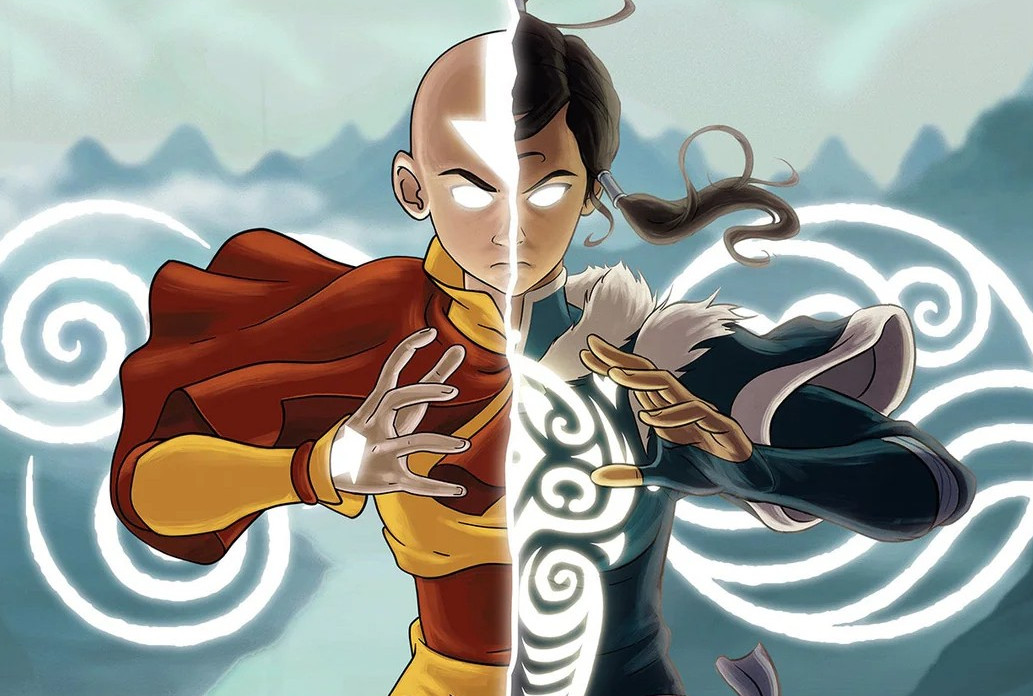
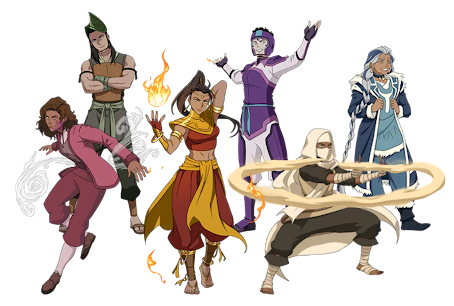
To make a character, you'll choose one of the playbooks, each of which revolves around a character's role in the group and the central internal conflict of their archetype. For example, the Guardian, a protector who must balance self-reliance and trust in others; the Successor, an heir bearing the weight of expectation and must balance progress with tradition; or the Icon, a duty-bound character who must balance their freedom and their role. Your character concept will help you determine their name, origin, personality, fighting style, and training, including whether they're a waterbender, earthbender, firebender, airbender, weapon master, or gadgeteer. You'll also assign bonuses (or penalties) to their stats: Creativity, Focus, Harmony, and Passion. Finally, you'll choose a special move they start with, an ability unique to their playbook, and you're ready to go!
In play, Avatar Legends works like a conversation, divided into scenes, where the GM describes the situation, and the players decide what to do. The game has several rules called "moves," which are triggered when characters attempt specific actions which are risky or dramatic, like assessing a situation, tricking someone, pushing their luck, or relying on their skills and training. These moves usually require players to roll 2d6 and add a relevant stat. If the total is 6 or less, it's a miss, and things go badly for them. On a 7-9, it's a success, but with some cost or complication. On a 10 or better, it's a complete success, and they get what they wanted!
In combat, players have access to several techniques (and can train and learn more over the course of their adventures). Generally, players will choose at the beginning of a fight whether to attack, defend, or evade and roll to see how well they fare. Players will have opportunities to talk to opponents as combat proceeds, and are encouraged to seek nonviolent solutions, but sometimes a fight is simply inevitable. Fighting might cause you to mark fatigue, representing expended energy and stamina, or mark conditions, emotional impacts that impose penalties on certain types of moves and must be cleared through the support of allies or by taking dramatic, often destructive action.
Classes
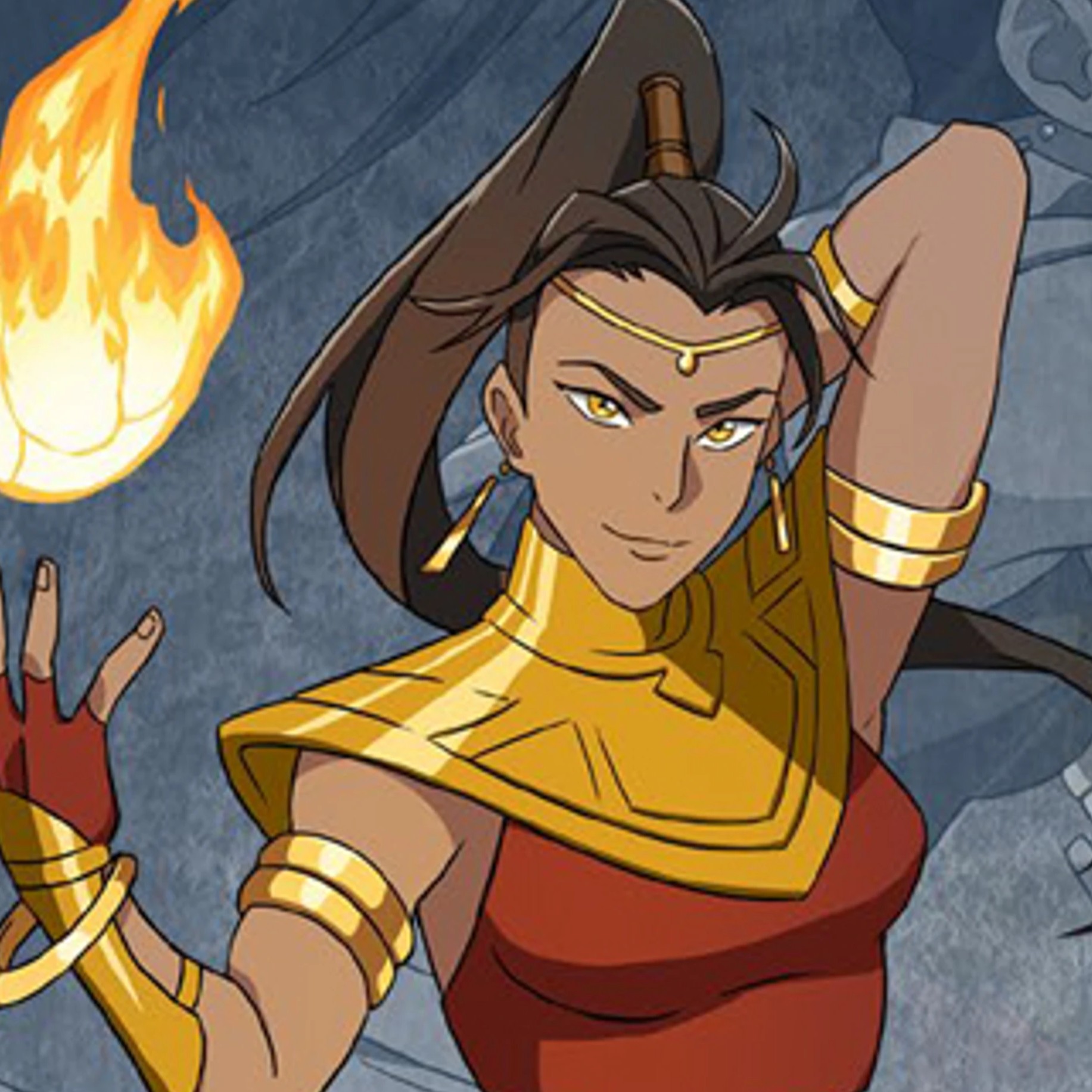
The Adamant
A zealous advocate with a heart of gold and a diamond-hard will, ready to do what it takes to fix the world. Their balance principles are Restraint vs. Results.

The Adrift
They used to do exactly what they were told, never stepping out of line or really having an identity of their own, and now they’re putting themselves out there and fighting for something they believe in. Their balance principles are Risk vs Stability.
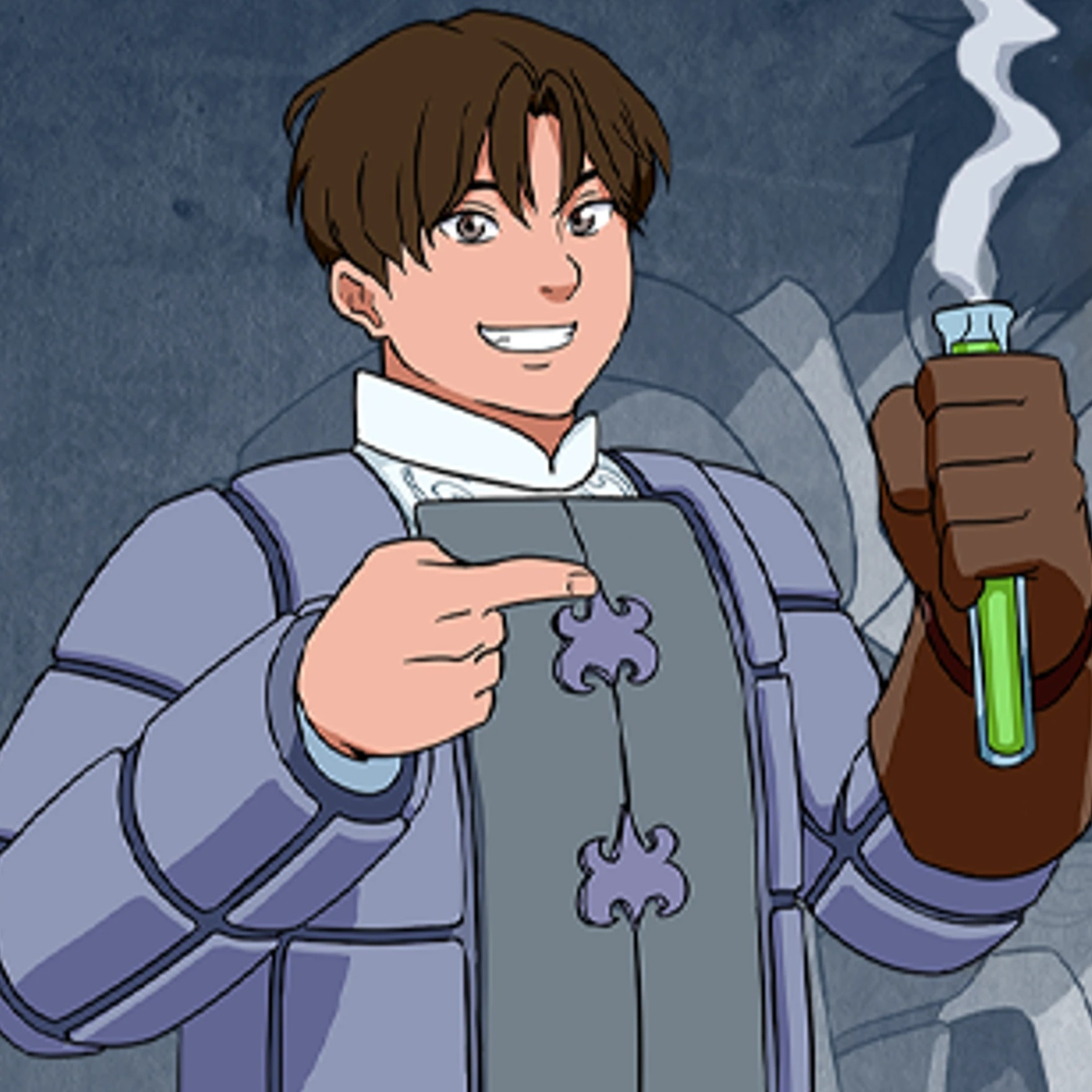
The Architect
They created a marvel and a whole organization rose to steward that marvel in the world…but they don’t have direct control over the organization and struggle to guide it. Their balance principles are Planning vs Discovery.
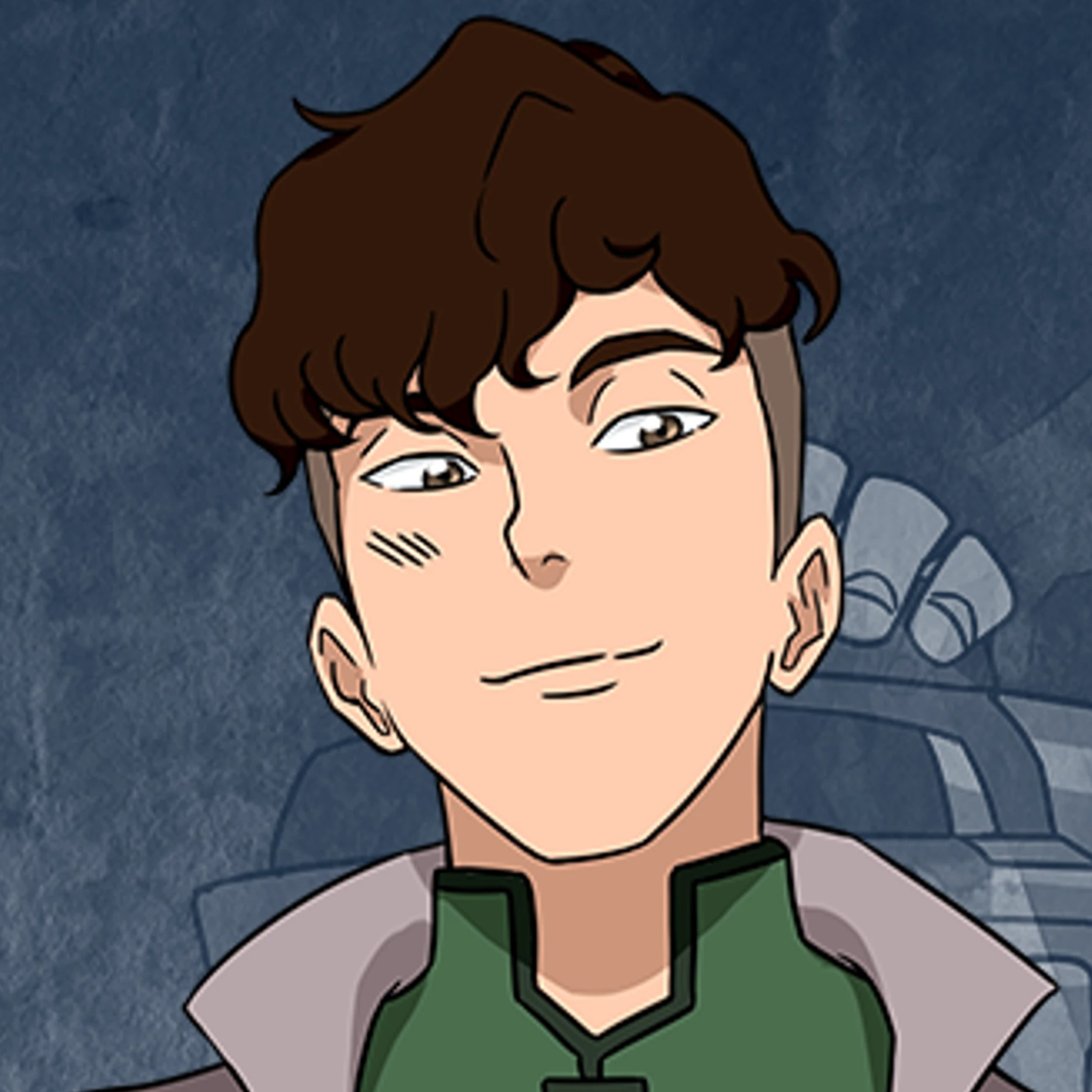
The Aspirant
They are deeply and fully committed to the group’s overall focus, but they believe they need the help of public opinion to achieve real positive change in the world. Their balance principles are Legacy vs Adoration.
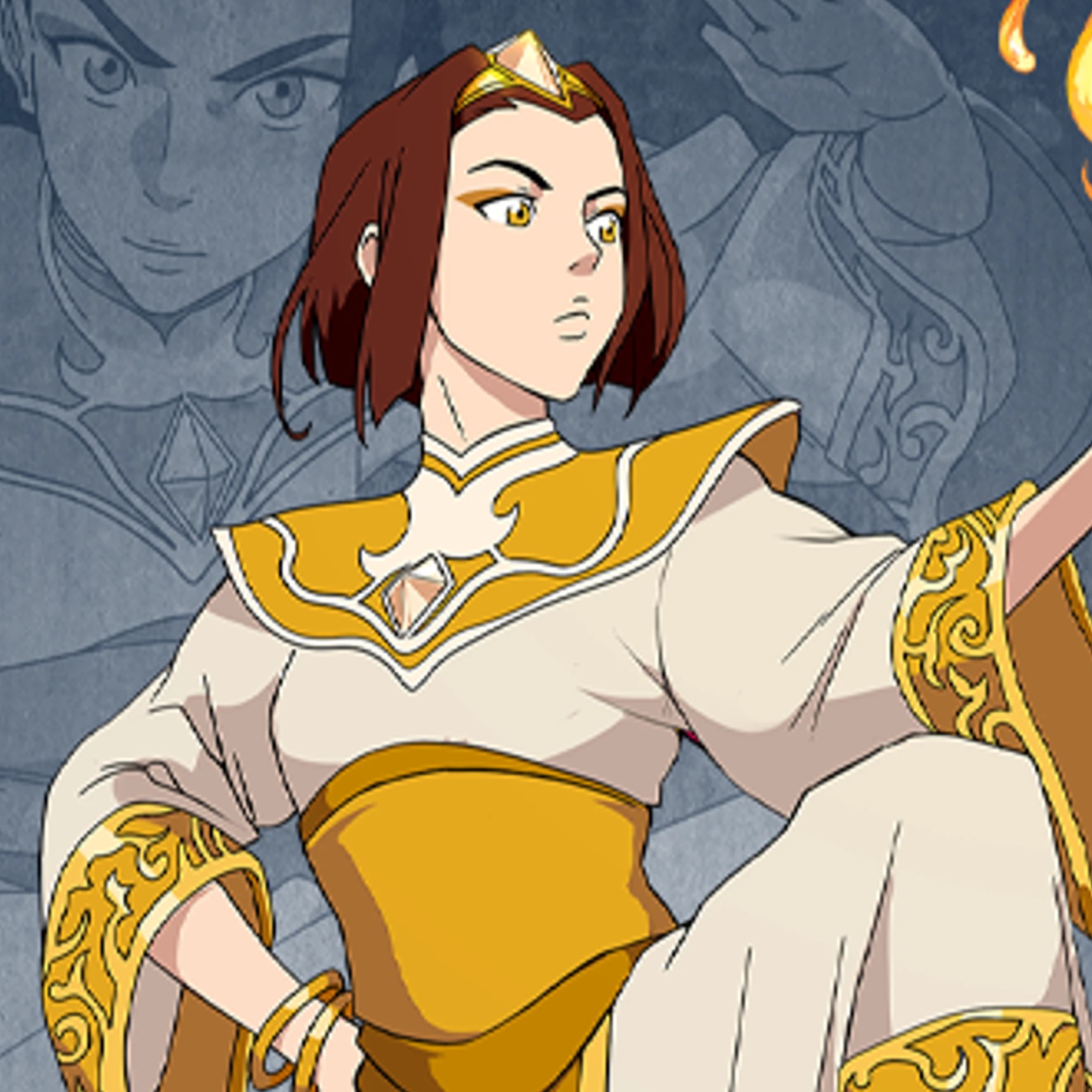
The Authority
They lead a faction with power and presence throughout the setting. Sometimes, they serve the faction’s desires, but sometimes they must be true to their own beliefs. Their balance principles are Service vs Self.
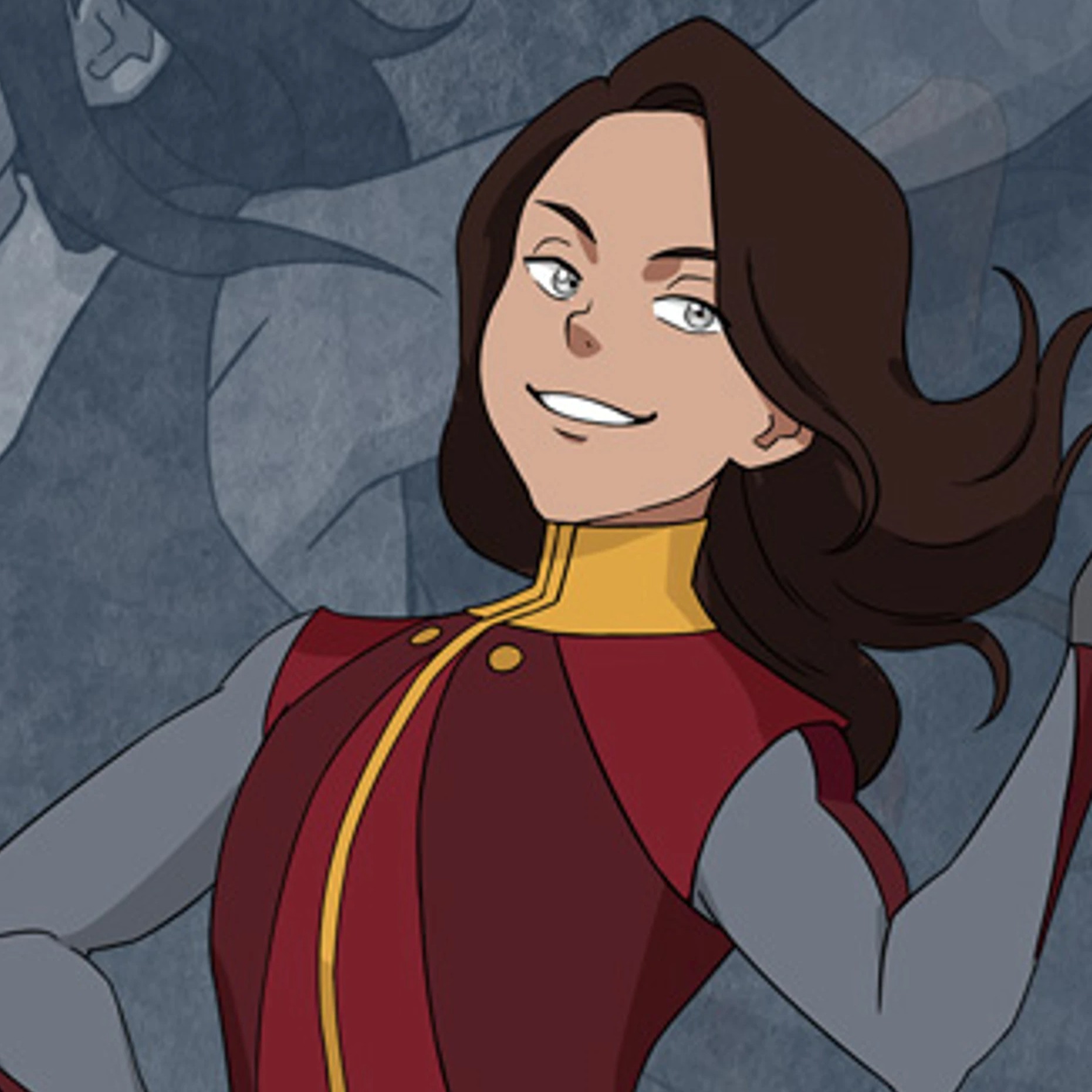
The Bold
A charming adventurer who knows they’re greater than others assume, striving to show their worth. Their balance principles are Loyalty vs. Confidence.

The Bound
They serve an institution in a position of importance and responsibility. The rules and obligations of their position are clear and even comforting in the strength they provide, but they don’t always align with the Bound’s sense of justice. Their balance principles are Duty vs Justice.
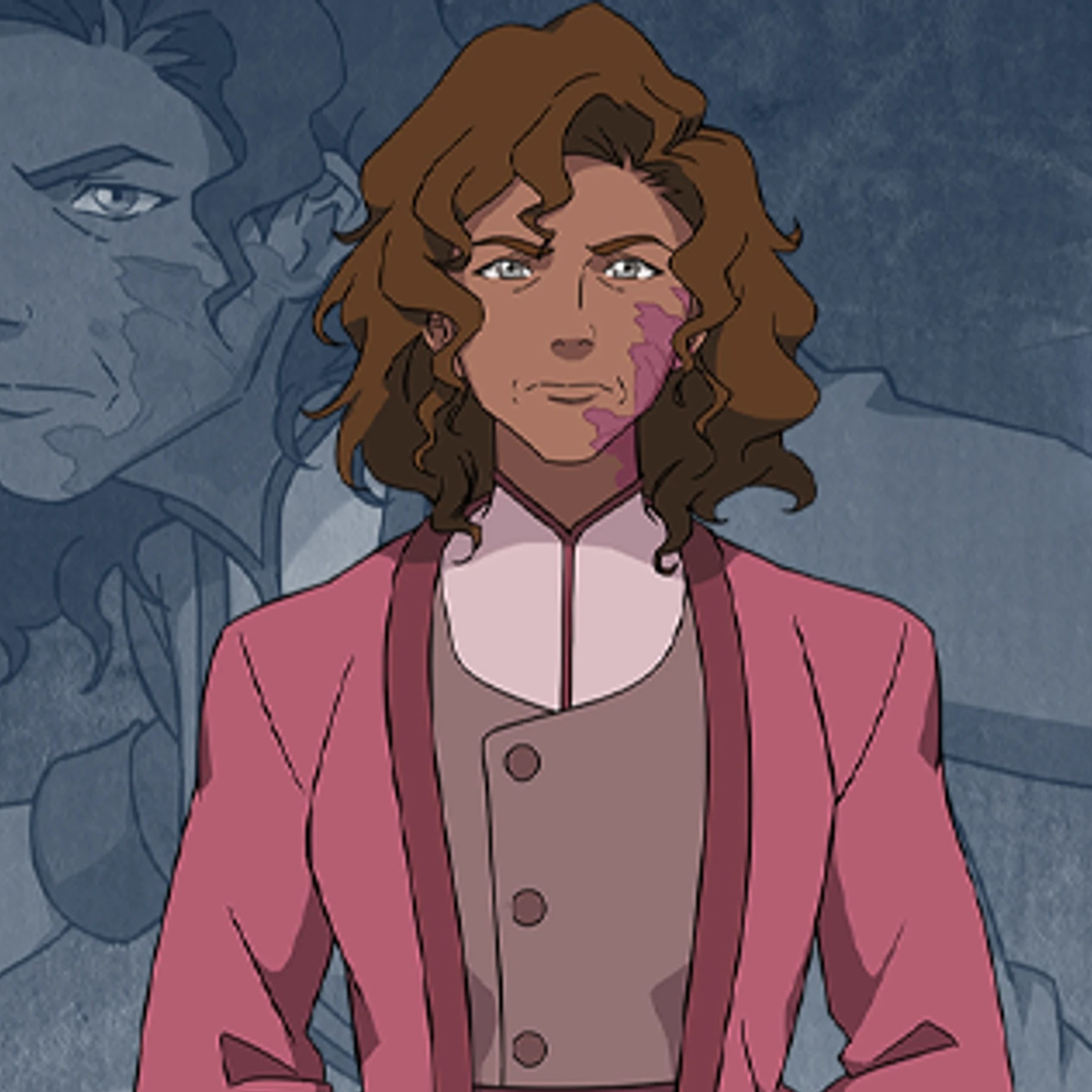
The Broken
They endured a terrible tragedy that broke them as a person, but now they are rebuilding themselves. They are determining whether they should return to who they were before or become someone new altogether. Their balance principles are Restoration vs Reinvention.

The Destined
They are known to have some important, incredible fate before them…but exactly what that fate is, when it will come for them, and how it will play out all remain to be seen. Their balance principles are Patience vs. Determination.
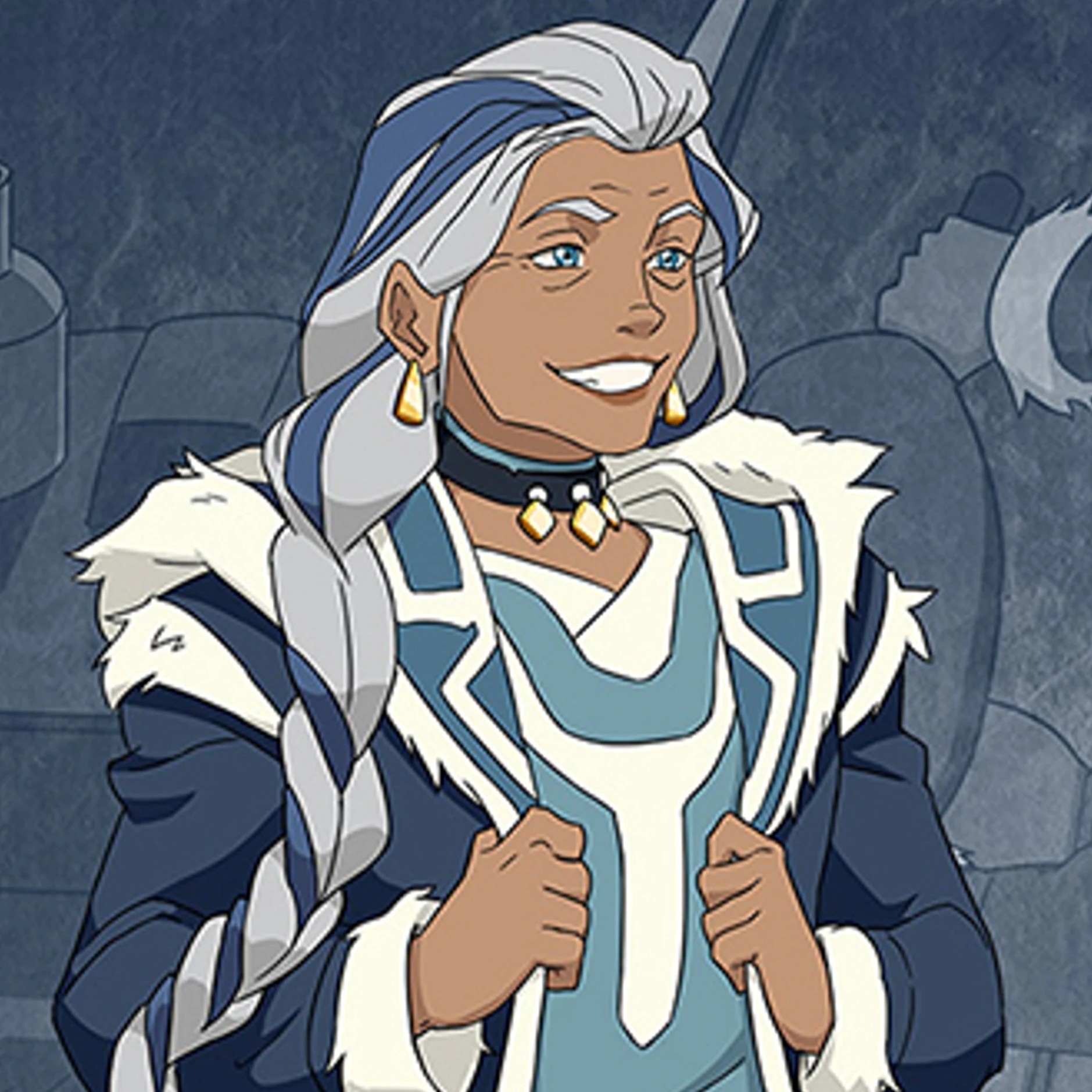
The Elder
They have seen much, been to many places, and done much. Now esteemed and successful, they have much to teach…but they also have the wisdom to see they have much to learn. Their balance principles are Experience vs. Humility.
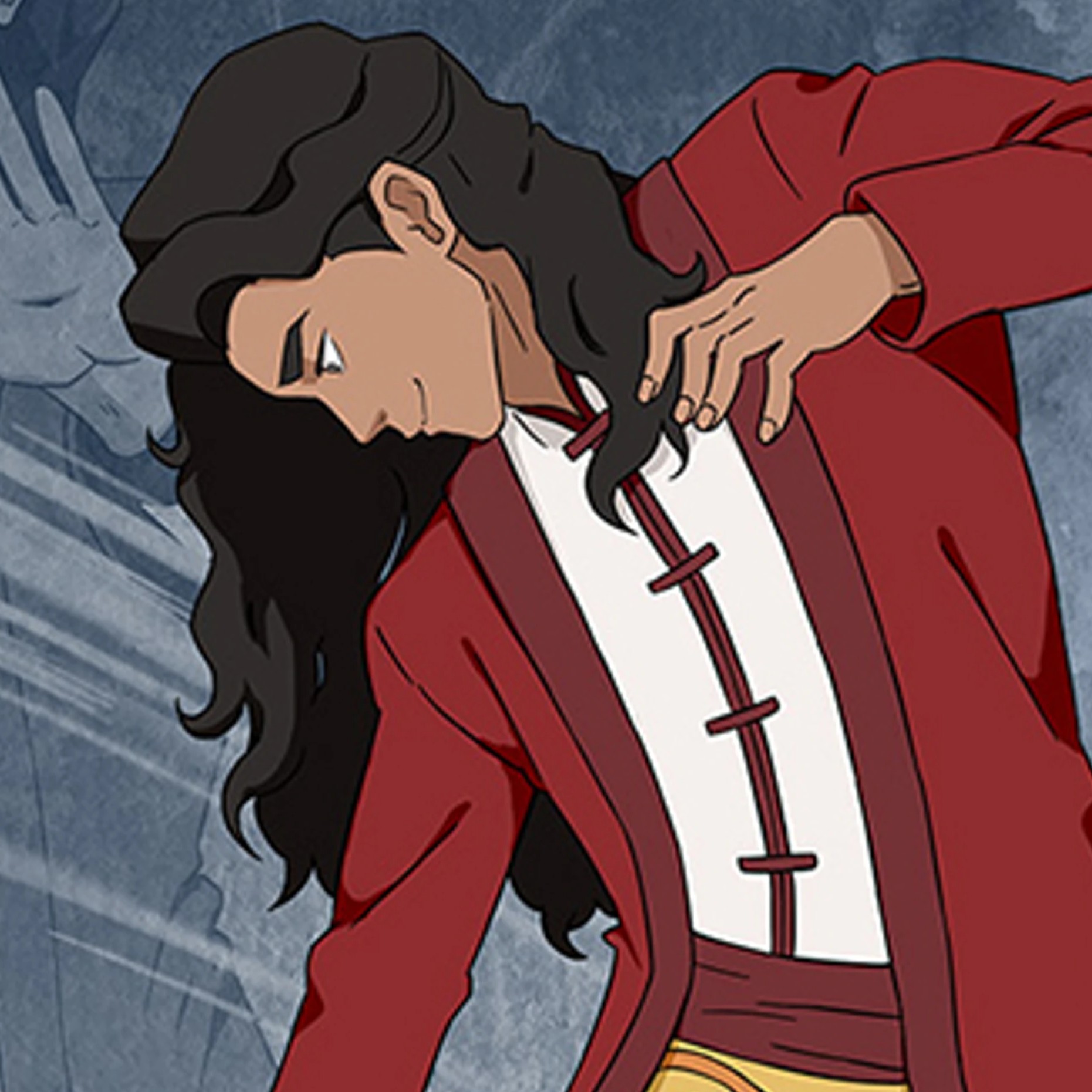
The Foundling
They are the inheritor of two traditions, two cultures, two frameworks of training and philosophies. They are constantly trying to represent the best of both, and sometimes to combine them into something new. Their balance principles are Unity vs. Heritage.

The Guardian
A protector and defender, devoted to others…perhaps to their own detriment; they have adopted one of their companions as their ward. Their balance principles are Self-Reliance vs. Trust.

The Hammer
A fighter, looking to solve problems by smashing them, even when that might not be the right solution. Their balance principles are Force vs. Care.
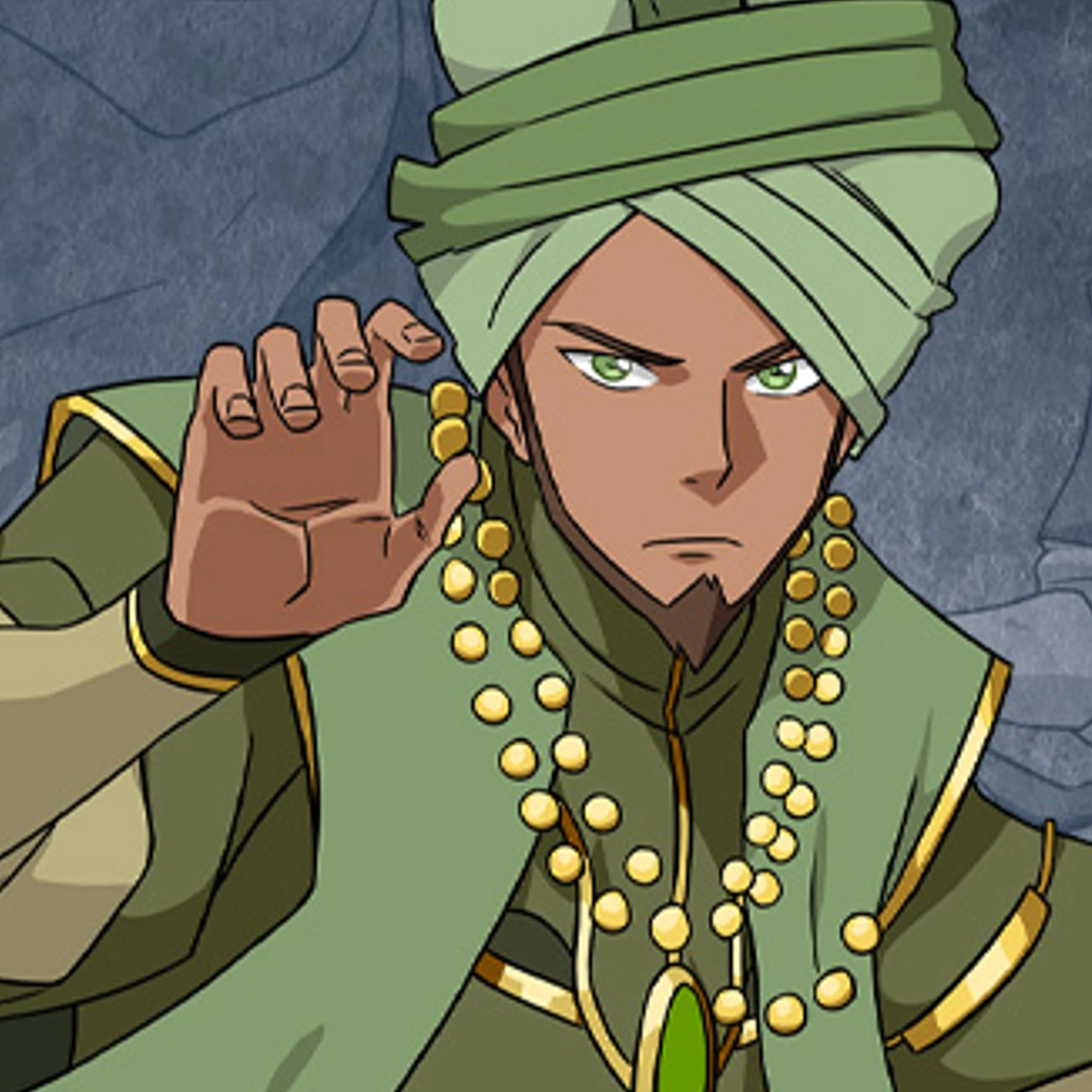
The Icon
A chosen figure of an ancient tradition, expected to carry forward the duties of their role regardless of what they want. Their balance principles are Role vs. Freedom.

The Idealist
A survivor of some terrible harm, now struggling to maintain hope and a belief in the good of the world and others. Their balance principles are Forgiveness vs. Action.
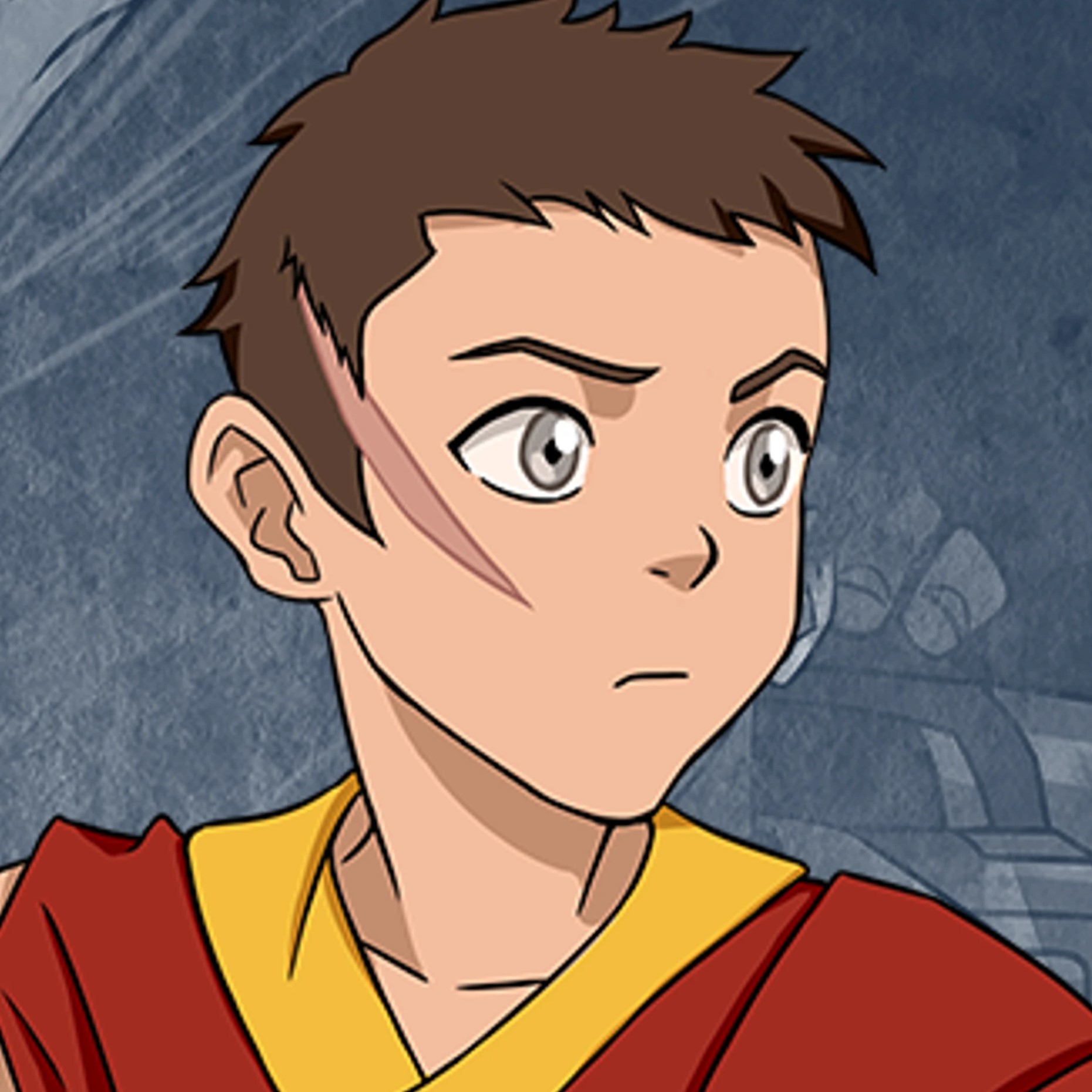
The Outcast
They were thrown out of their hometown for a conflict over their integrity, and now they’re finding ways to belong while staying true to themselves. Their balance principles are Society vs Integrity.
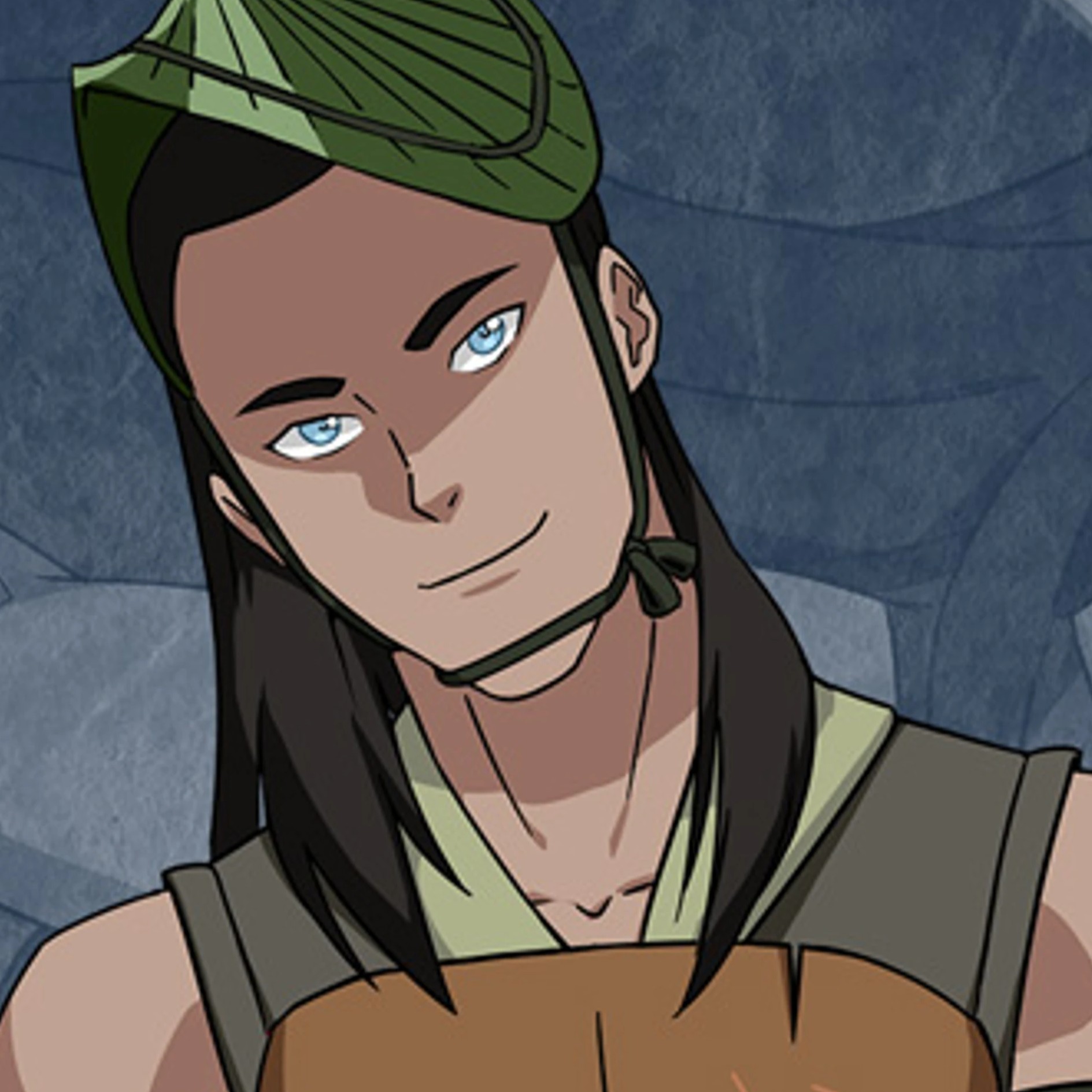
The Pillar
A proficient leader, coming from their own special team but now devoted to this new group of companions, trying to help the others to cohere. Their balance principles are Support vs. Leadership.

The Prodigy
An extraordinarily capable practitioner of their training, but that tends to make them a bit too arrogant and isolated. Their balance principles are Excellence vs. Community.
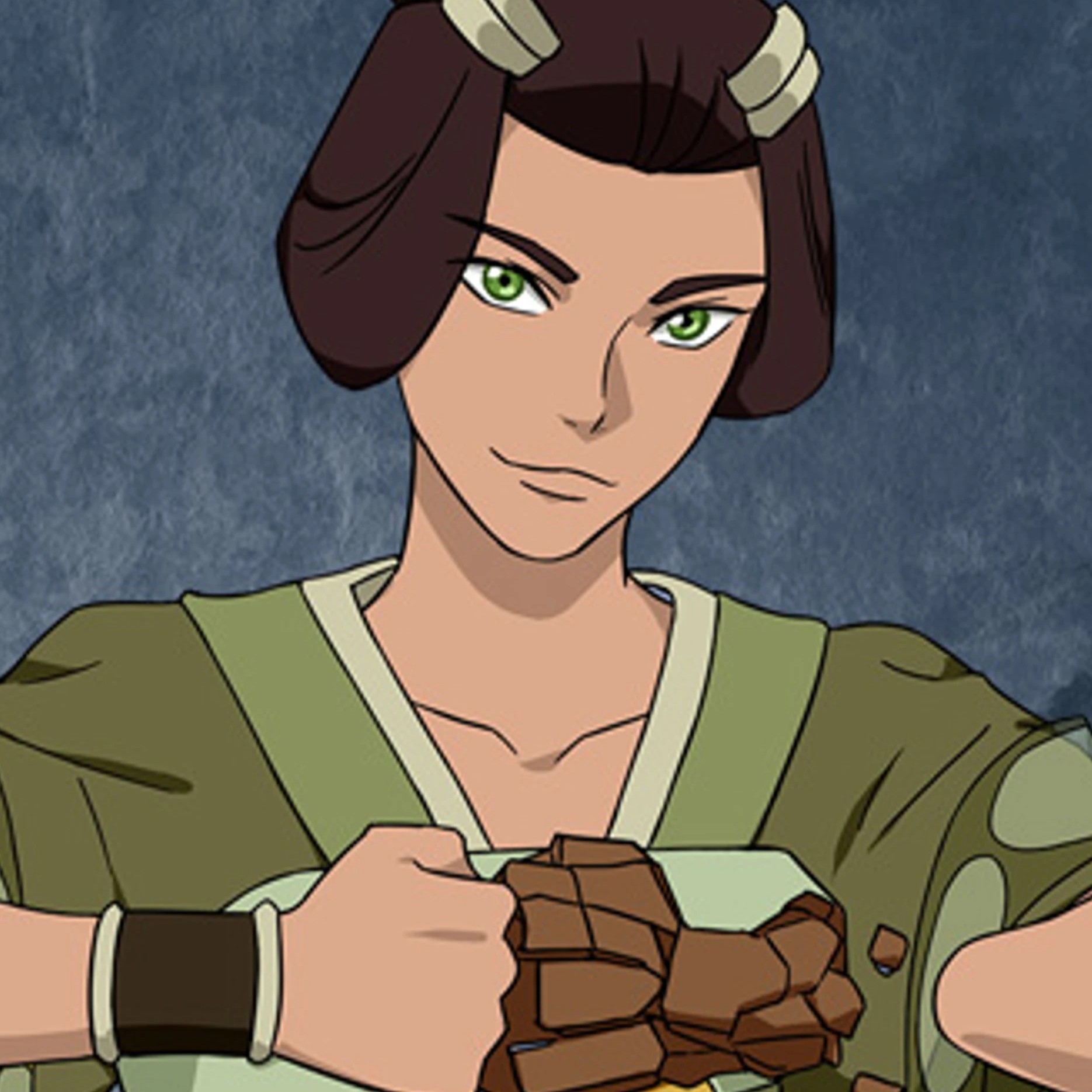
The Razor
They were raised to be a weapon, a tool for their masters to use against enemies. But they have seen a better way forward, and now they seek to make up for the terrible things they did and what they were taught to do. Their balance principles are Control vs. Connection.

The Rogue
A vagabond who has struggled to survive—they’ve never felt they belonged, and they’ve become a rebel and a troublemaker to make it. Their balance principles are Friendship vs. Survival.

The Successor
The inheritor of a massively powerful legacy, known all over, with its own dark history. Their balance principles are Tradition vs. Progress.
Häufig gestellte Fragen
What is the difference between a one-shot and a campaign?
Are there different play styles or approaches to TTRPGs?
What if I'm not comfortable with certain themes or content in Avatar Legends: The RPG?
What is a Tabletop Role-Playing Game (TTRPG)?
What is the difference between a Game Master and a player?
What supplies do I need to play Avatar Legends: The RPG?
Do I need to know all the rules before I can play Avatar Legends: The RPG?
Do I need to be good at math to play Avatar Legends: The RPG?
Can I play as the Avatar in the Avatar Legends RPG?
What dice does the Avatar Legends RPG use?
Spiel besorgen


Aktive Sitzungen & Kampagnen
Noch keine Spielsysteme verfügbar.
Sitzungen finden