Zum Inhalt springen
Blades in the Dark

Blades in the Dark

3–5 Spieler 2017

Über dieses Spiel

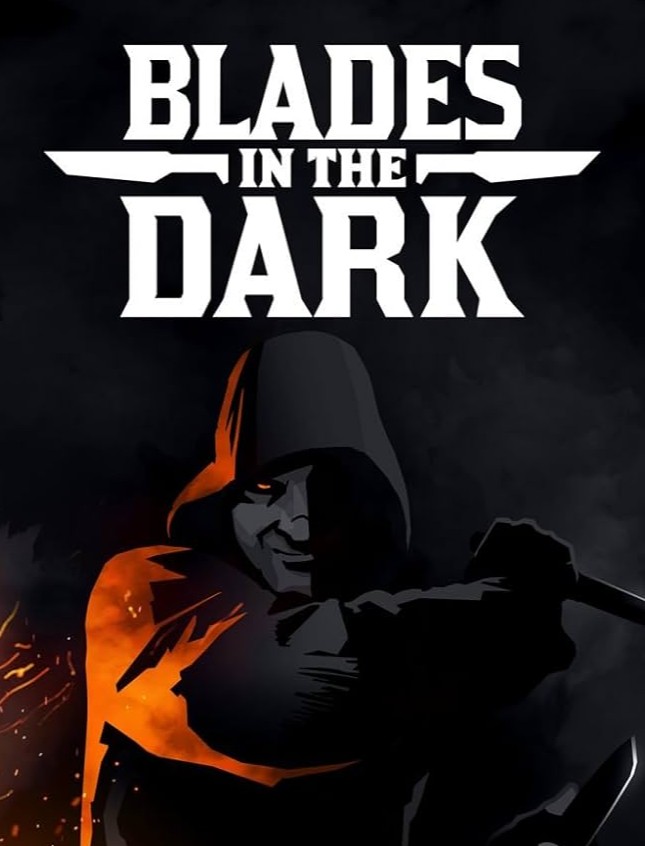
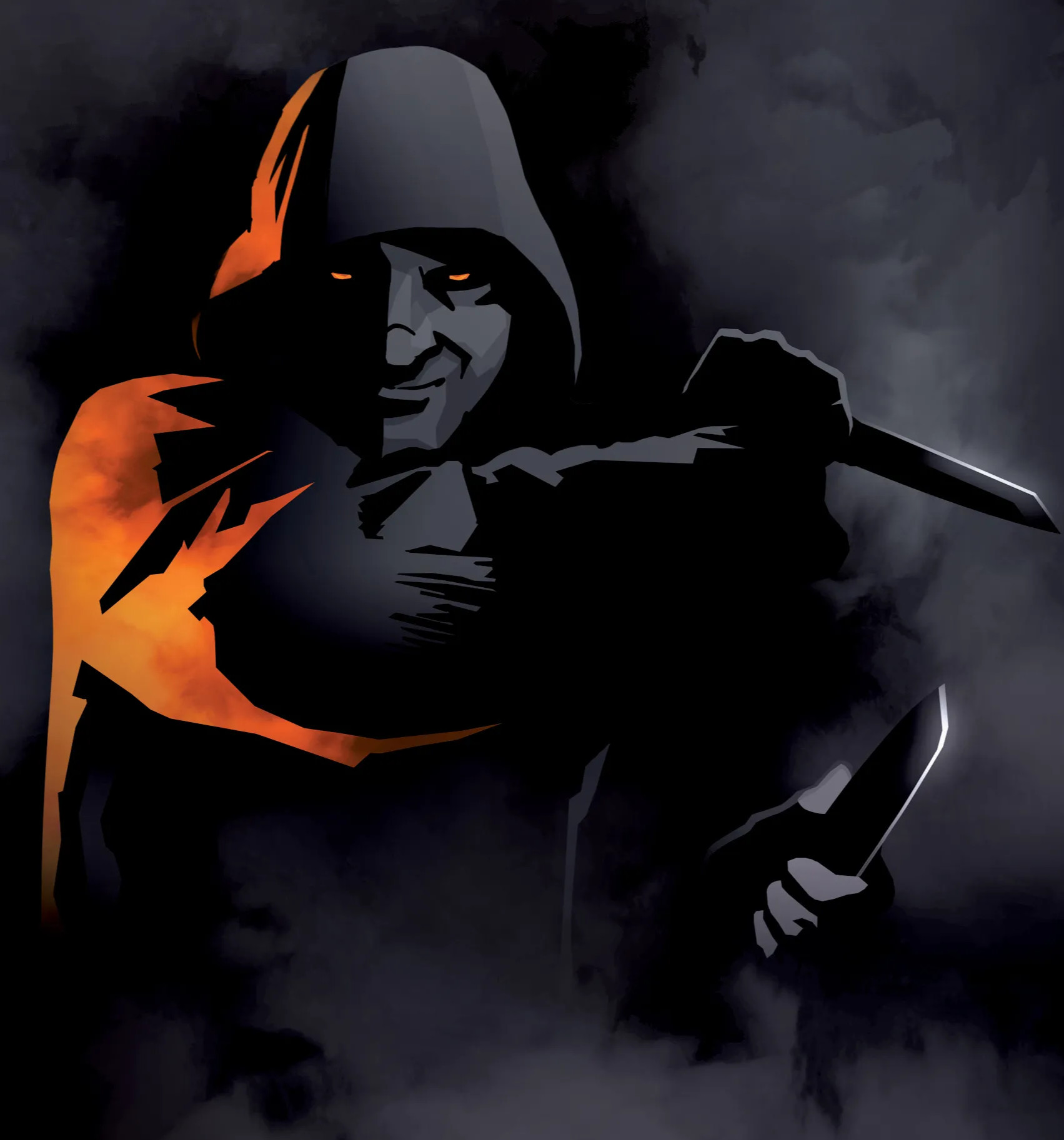
A crew of scoundrels gathers round a stolen blueprint as they plan their big score. Their target has them outnumbered and outgunned; they’re just a no-name street gang up against the rich and powerful. But they have something their mark never expects: the stone-cold audacity. The guts to risk everything. And a desperate hunger to get rich or die trying. Blades in the Dark is a tabletop roleplaying game about building a criminal empire in the industrial fantasy city of Duskwall. Inspired by video games like Thief, Dishonored, and Bloodborne, as well as crime drama films and television like Heat, Breaking Bad, and Peaky Blinders, players create scrappy scoundrels who commit crimes in a haunted city. They might play a smooth-talking Slide, a bloody Cutter, an ingenious Leech, or a weird Whisper (among others) to lie, cheat, and steal their way to the top. They’ll also create a Crew, the gang they operate, and which, through a series of criminal jobs, will attempt to conquer the city’s underworld. One player, the Game Master (GM), takes on the role of the world those players inhabit; they’ll play as the rival gangs, wealthy nobles, and corrupt Bluecoats that pressure the player characters from all sides; the haunted, sunless, industrial city of Duskwall; and the ghosts, demons, and occult forces that lurk behind it all.

Kategorien

Gritty Fantasy Gothic Horror Post-Apocalyptic Steampunk

Mechaniken

D6 System

How to Play Blades in the Dark

Become a master criminal with this comprehensive (and entertaining!) video explaining Blades in the Dark in detail and including an extensive example of play.

The core mechanic is the Action Roll, where players roll a pool of d6s, the size of which is determined by their rating in the relevant action, and may be increased by spending resources, using special abilities, or getting help from a fellow scoundrel. Only the highest result counts, and if it's a 1-3, the action goes wrong, and the character faces consequences. If it's a 4 or 5, the character succeeds, but still faces the consequence. On a 6, the character gets what they want and avoids consequences. If they happen to roll multiple 6s, it's a critical success with an additional bonus or edge! If the action was only a part of achieving a larger goal, it might fill in segments of a clock, a track of 4-12 segments that allows visualization of complex obstacles, countdowns to consequences, or an approaching threat, like a patrol of cops, the suspicion of your target, or the alarm being raised from too much noise.

Characters have a resource called Stress, which they can spend to push themselves to use bonus dice or special abilities, as well as perform flashbacks, where they can reveal actions they've already taken to prepare for or overcome a challenge they're facing now. They can also use stress to resist consequences. This allows scoundrel player characters to take wild risks, act now and plan later, and laugh in the face of danger! Rather than spend hours making a plan for a job that gets thrown away as soon as things go wrong, Blades in the Dark lets players dive into the action and plan retroactively for the challenges that actually arise.

Play in Blades in the Dark comes in phases: free play, where players interact with other PCs and NPCs, gather information, and seek opportunities; the score, where they undertake daring criminal operations; and downtime, where they unwind, indulge their vices, work on long-term projects, and manage the heat on their operation. Players have not only their character to play, but also their crew, the shared criminal enterprise the whole party is a part of. As the crew grows and expands, they'll have to deal with greater threats and take on even more ambitious jobs.

Classes
Cutter

Cutter

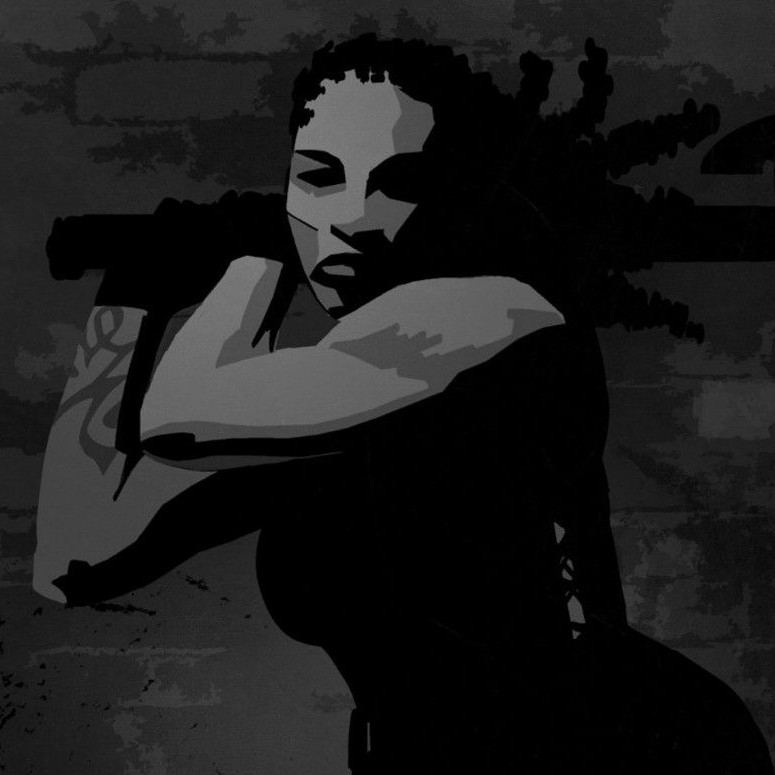
This is the fighter of the team. The Cutter can take more hits than other characters and command allies to push past their limits. This Playbook also allows you to use spirit energy to grapple spirits with your bare hands.
Hound

Hound

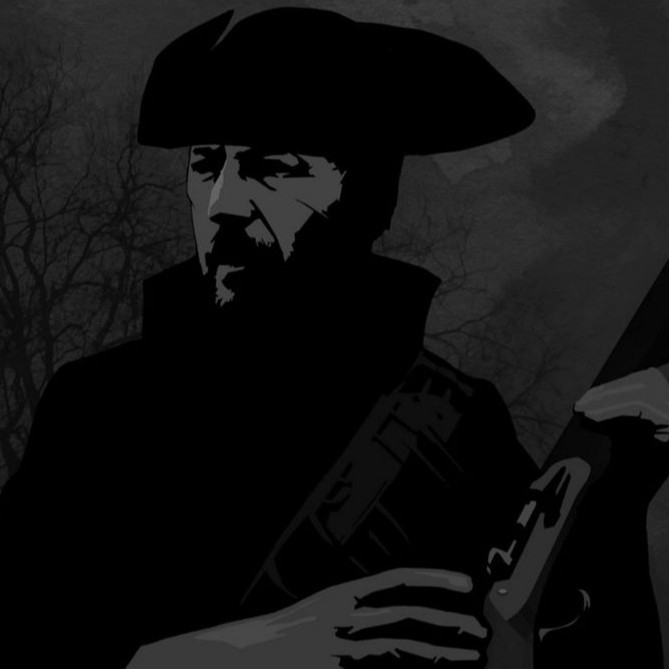
While it’s usually best for a crew to stick together, sometimes a lone warrior needs to scout ahead or track an enemy. The Hound excels at this set of skills. This Playbook gives you tools for tracking, sharpshooting, and surviving in hostile environments.
Leech

Leech

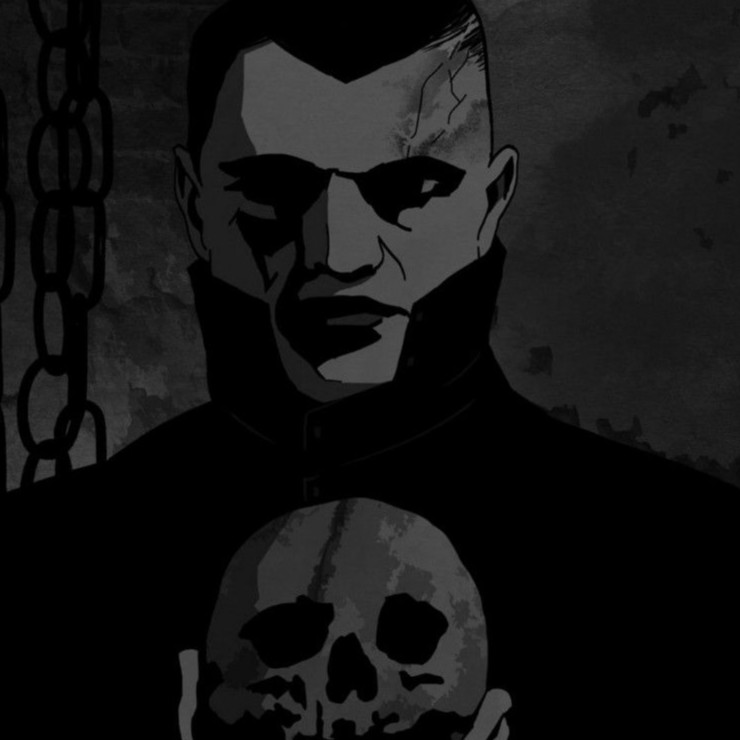
If you like the techie characters in heist movies, the Leech is for you. They excel in preparing gadgets and alchemical solutions even when under a short deadline. You can use certain Leech skills can also help you act as a saboteur, planting destructive devices that detonate quietly.
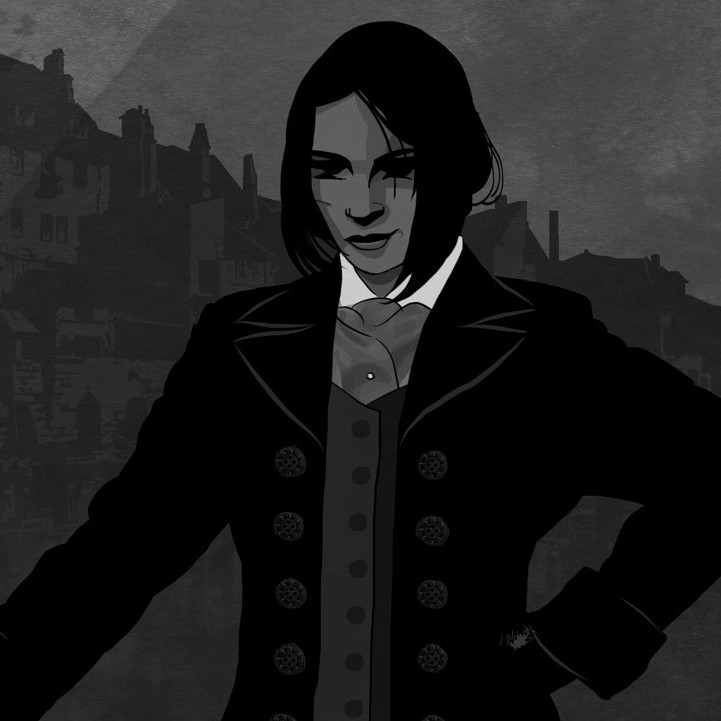
Slide

Slide

The Slide is your fast talker and master of disguise. Slide into a location, talk up that crucial contact, and get out before the guards even notice you were there. Their communication skills are so honed that they can even talk to ghosts!
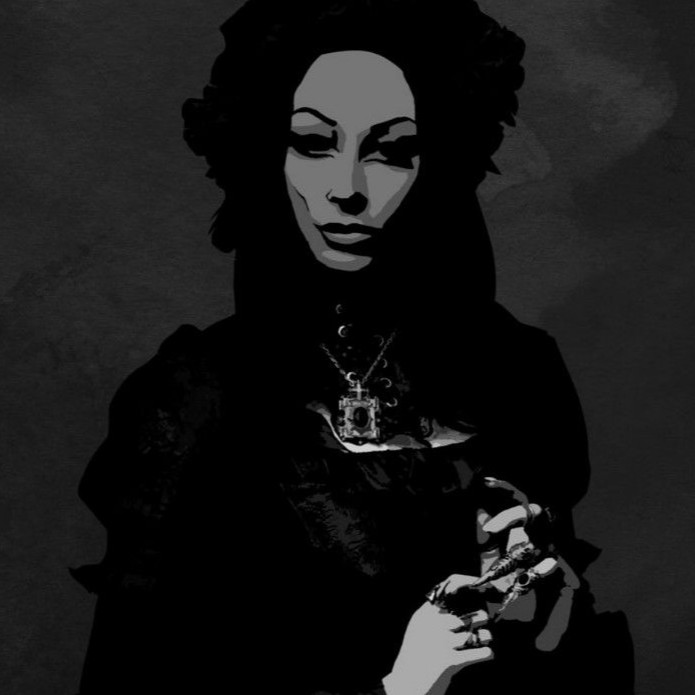
Spider

Spider

Here’s the Playbook for those who like being the mastermind. The Spider has several ways of bailing teammates out of danger by planning for just that moment. You don’t actually have to be a genius to play the Spider, however; your master plans come out in the form of enhanced dice rolls.
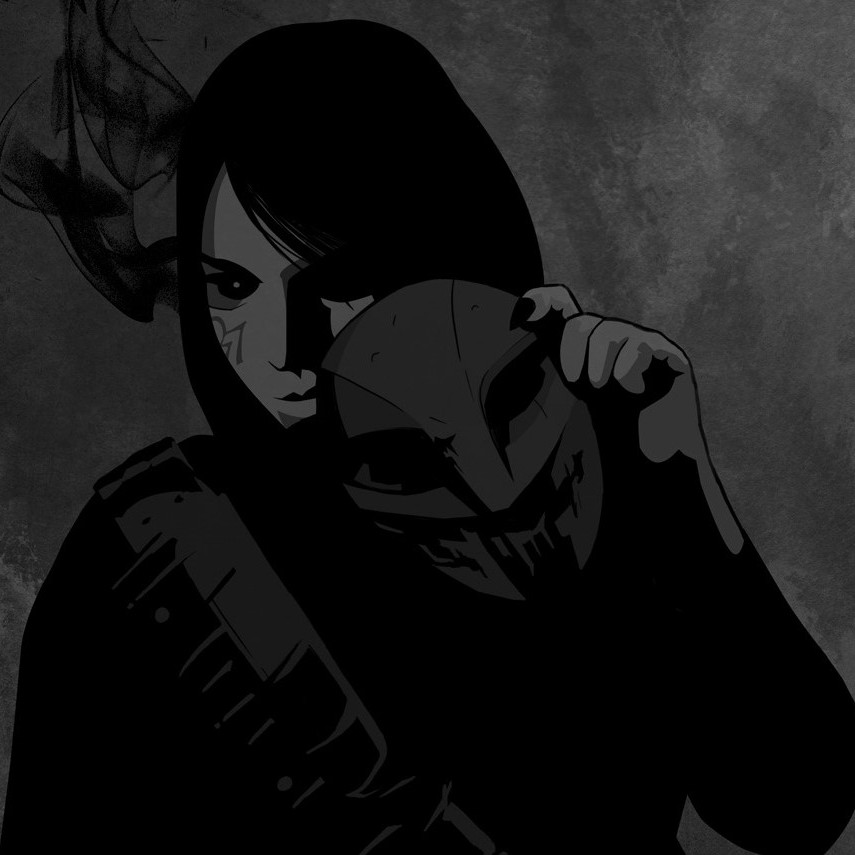
Whisper

Whisper

BitD is seen as a heist game, but there’s a strong supernatural element to the world as well. The Whisper is the best at channeling those ghostly powers. These abilities let you summon entities, control ghosts, and even summon storms.

Häufig gestellte Fragen

How many players is best for Blades in the Dark?
Blades in the Dark is designed for 3–4 players and one Game Master. It’s certainly possible to play with fewer players, though the GM may need to adjust the severity of consequences. It’s also possible to play with more, though the system begins to strain at 5 players, and 6 or more will likely have too many resources to be effectively challenged.
What is the difference between a one-shot and a campaign?
Typically a one-shot will consist of a self-contained adventure that will take place all in one session, which will usually take a few hours to complete. They are meant to be completed in one sitting, and will usually have a very focused plot or objective. A campaign on the other hand, is a longer adventure that takes place over multiple sessions. Short campaigns may be only 2-3 sessions, while longer ones may be played over months, or even years!
Do I need to know all the rules before I can play Blades in the Dark?
Knowing every rule of the game may be helpful to some, but many players will learn the game as they play! If you want to read the rules ahead of time you absolutely can, but if you are a hands-on learner you can also just start playing, and if there is something you don’t understand never be afraid to ask questions, because everyone starts somewhere!
What if I'm not comfortable with certain themes or content in Blades in the Dark?
Blades in the Dark can cover an impressive range of topics and styles, including violence, horror, romance, and many many more! However, if there are specific themes or content that you’re uncomfortable with, let your group and GM know before the game, and have an open conversation about these topics. Any group worth playing with should be respectful and understanding of your concerns and the game can be adjusted so everyone is having fun. Many tables also use “Safety Tools” which help ensure that these conversations are handled easily, and everyone has a voice at the table.
What supplies do I need to play Blades in the Dark?
Obviously this will vary from table to table, but here are some good places to start! If your game is played in person, most likely you will want to get a set of dice, something to write with, and paper to take notes. If your game is hosted online instead, you will probably need to make accounts on a few sites for things like character sheets, access to the Virtual Tabletop for maps and tokens, and sites like Discord or Zoom for video/voice calls during the session. You won't always need to have the rulebooks to start, but if you want to read through them to make sure you know all the rules, this might also be a good option.
How much do I need to know about the setting to play Blades in the Dark?
The haunted industrial fantasy city of Duskwall can feel intimidating at first, but don't worry! While there are lots of details to the setting, like ghosts, demons, street gangs, cults, vice dens, and nobles, they're all painted in broad strokes. Blades in the Dark relies on the GM and the players to fill in the white space collaboratively and decide what your version of Duskwall looks like. The setting information provided by the rules and the book is completely optional; in fact, Blades in the Dark is firmly "anti-canon," that is, nothing is "official" and the only truth of the world is what you and your table establish in play.
What is Blades in the Dark Deep Cuts?
"Deep Cuts" is an expansion for Blades in the Dark containing modular rules and options for your game. Everything in it is completely optional and it's up to you and your table how much of it (if any) you'd like to use and include in your game. Deep Cuts has new factions, harm rules, catalysts for campaigns, rules for load, diceless downtime, new experience point rules, and a reconfiguration of the Action Roll mechanic into the Threat Roll.
How do Position and Effect work in Forged in the Dark games?
Many FitD games use a system called Position and Effect to model both how risky and how impactful a given action will be. Position determines risk, and the levels are Controlled, Risky, and Desperate. A character's position tells them how bad the consequences will be if they miss the roll or succeed with a cost. Effect determines impact, and the levels are Great, Standard, and Limited. A character's effect tells them how good the consequences will be if they succeed on the roll. A game master can use Position and Effect to effectively communicate the stakes of a roll to players, and helps the table negotiate what makes the most sense for a given action. Attempting to fight a rampaging elephant with a knife is a Desperate position, with Limited effect! Making a lucrative business offer to a greedy noble you've wined and dined might be a Controlled position with Great effect. Most rolls in FitD are Risky/Standard by default.

Spiel besorgen

Aktive Sitzungen & Kampagnen

Noch keine Spielsysteme verfügbar.

Sitzungen finden
Du bist offline — einige Funktionen sind möglicherweise nicht verfügbar
Wieder online