Zum Inhalt springen
Draw Steel

Draw Steel

3–6 Spieler 2025

Über dieses Spiel

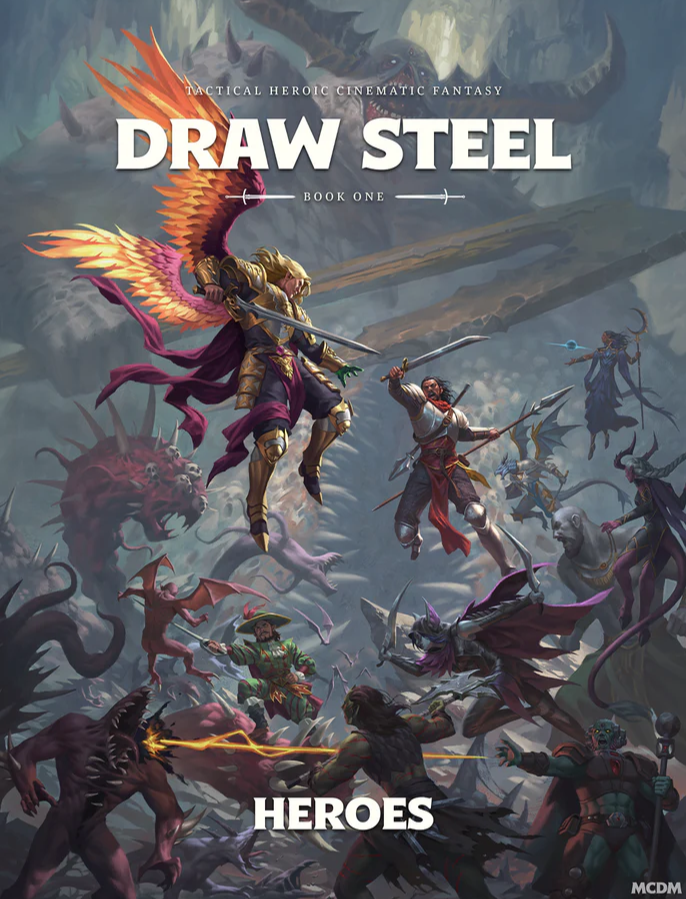
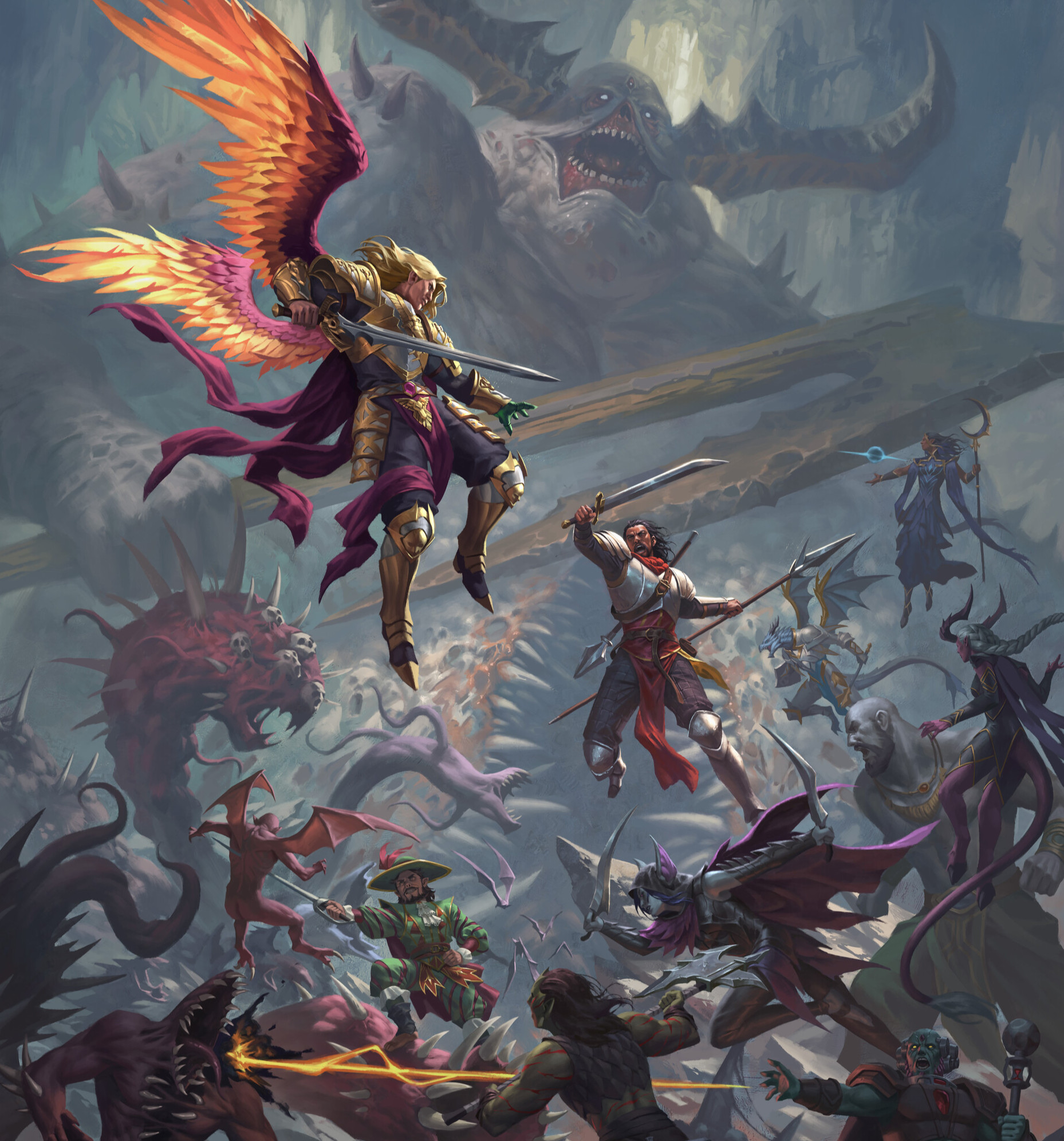
Fight monsters in spectacular clashes in the high fantasy world of Orden! Play determined heroes who press on against the odds, digging deep to access their most powerful abilities the more desperate the situation becomes. Play battle-hardened warriors, spell-slinging wizards, and psionic raiders from another time! Draw Steel describes itself as a game of tactical, cinematic, heroic fantasy. It focuses on fighting monsters in map-and-miniature-based combat encounters where characters generate resources as battles go on, and as they continue to fight without resting. An emphasis on positioning, movement both intentional and forced, and momentum create a sense of dynamism in every battle, and the promise of even greater powers and rewards if the heroes press their luck and keep fighting fosters a constant tension between blazing ahead or stopping to rest. A system of tiered success with automatic hits in combat eliminates wasted turns, but the double edged sword of enemies constantly eating away the players' resources pushes them to win fights quickly. A treasure trove of character options offers the opportunity to build a character who performs just the way you imagine in combat, plus build strategies with your teammates to maximize your abilities. The game also includes rules for major negotiations and noncombat action sequences, but wears its heart on its sleeve: it's all about fighting the monsters.

Kategorien

Fantasy High Fantasy

Mechaniken

d10 System

How to Play Draw Steel

The core mechanic of Draw Steel is the "power roll," a dice roll of two ten-sided dice, plus a modifier from your character's abilities, to determine the level of success of an attack, ability, or maneuver in combat, or another challenge, called a test, outside of it. When a character attempts an attack, or something else risky or difficult, the GM, or Director, calls for a power roll. The character rolls 2d10 and adds a relevant modifier from among Might, Agility, Reason, Intuition, and Presence. The result is compared to three levels, called "tiers": a result of 11 or below is Tier 1, which is a minimal impact of an ability or strike in combat, or a failure for a test. A result of 12-16 is Tier 2, a moderate impact in combat, or a success (sometimes with a cost or complication) on a test. A result of 17 or above is a Tier 3 success, a great impact in a fight, and a critical success on a test.

Players can influence the results of power rolls by leveraging relevant skills their character may have, and the Director can also apply situational "edges" or "banes" to add to or reduce the final result. The power roll also applies to attacks and abilities in combat, though each character has their own unique abilities, plus a "heroic resource" based on their class that they can generate and use as they fight. If you'd like to learn more, this video is part of a larger playlist that goes into detail on the rules and classes of Draw Steel.

Classes
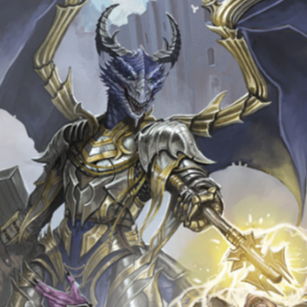
Censor

Censor

You carry the power of the gods, armed with wrath and sent out into the world first to seek, then censor those whose actions—or even existence—are anathema to your church. Censors are holy warriors who wield the judgment and wrath of saints and gods against unholy and evil foes. You might be an exorcist, an oracle, or a paragon of justice.
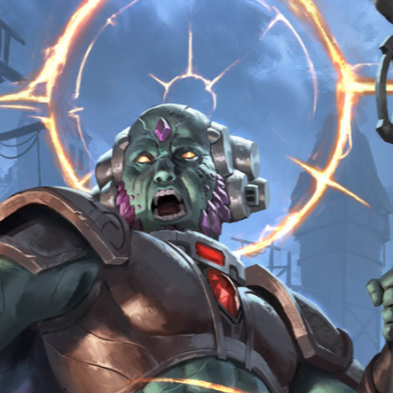
Conduit

Conduit

The power of the gods flows through you! As a vessel for divine power, you don’t just keep your allies in the fight. You make those allies more effective, even as you rain divine energy down upon your foes. As a conduit, you heal and buff your allies, and debuff your foes while smiting them with divine magic. The spark of divinity within you shines, filling your enemies with awe and making you more worldly and aware.
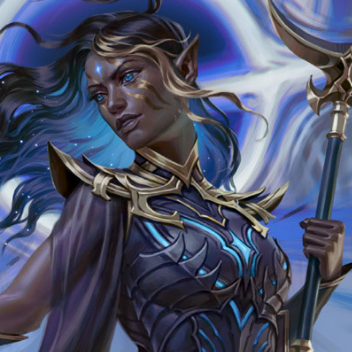
Elementalist

Elementalist

Air for movement. Earth for permanence. Fire for destruction. Water for change. Green for growth. Rot for death. Void for the mystery—that which cannot be known. Years of study brought you the revelations that allow you to manipulate these seven elements to destroy, create, and warp the world with magic. As an elementalist, you can unleash your wrath across a field of foes, debilitate enemies, ward yourself and allies, manipulate terrain, warp space, and more.
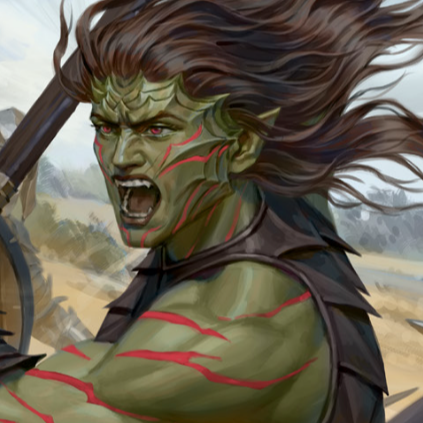
Fury

Fury

You do not temper the heat of battle within you. You unleash it! You channel unfettered anger into martial prowess. Primordial Chaos is your ally. Let others use finesse to clean up the wreckage left in your wake. As a fury, you devastate foes with overwhelming might, hurl yourself and enemies around the battlefield, and grow stronger as your ferocity increases.
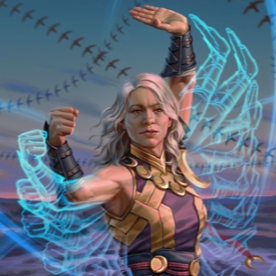
Null

Null

You strive for perfect discipline, perfect order, mastery over mind and body, becoming an unarmed psionic warrior who dampens and absorbs magic and psionics. You require no weapons, no tools. You suffice. As a null, you resist the supernatural forces of the universe with composure and confidence. As you strive for perfect order, you are an enemy of the ultimate expression of chaos: the supernatural.
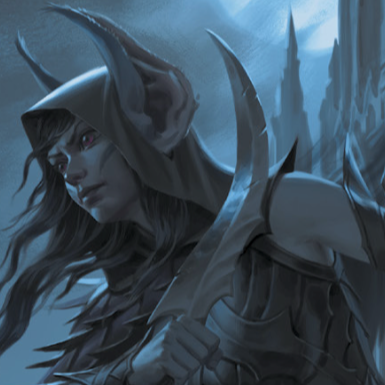
Shadow

Shadow

Subtlety is your art, the tip of the blade your brush. Your training and knowledge place you among the elite ranks of assassins, spies, and commandos. As a shadow, you possess abilities that deal significant damage, enable you to move swiftly across the battlefield and evade hazards, and allow you to fade from notice even in the midst of the most intense combat encounters.
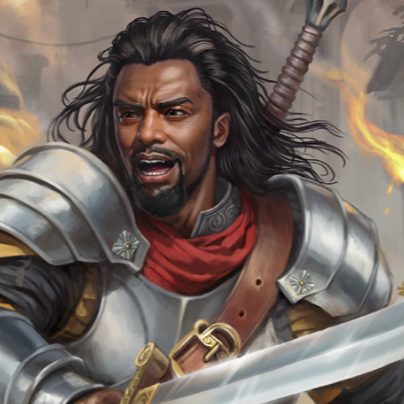
Tactician

Tactician

Strategist. Defender. Leader. With weapon in hand, you lead allies into the maw of battle, barking out commands that inspire your fellow heroes to move faster and strike more precisely. All the while, you stand between your compatriots and death, taunting the followers of evil to best you if they can. As a tactician, you have abilities that heal your allies and grant them increased damage, movement, and attacks, even as you leave your enemies struggling to respond.
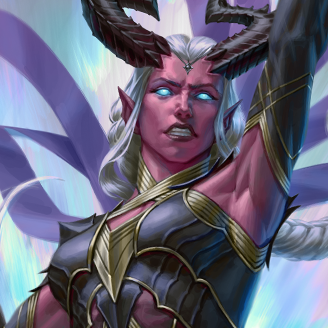
Talent

Talent

Only those who experience an awakening can tap into the mind’s full potential. You are one of those people—a master of psionics and a source of incredible power created through sheer force of will. You can move and change matter, time, gravity, the laws of physics, or another creature’s mind. As a talent, you are limited only by the strength of your mind. But every manifestation has a chance of harming you, and talents who use too much power too quickly pay a deadly price.
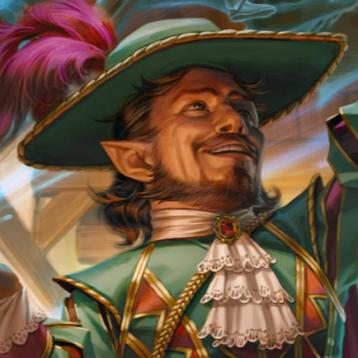
Troubadour

Troubadour

The whole world’s a stage, and everyone on it, an actor. No one knows this better than the troubadour. You find energy in the drama of everyday life and know how to draw spectacle forth from even the most mundane of situations. As a troubadour, you chase drama. The insurmountable dangers of the world might cause many a hero to cower. But you take to that world stage not intending to die, but to find out if you are truly alive.

Häufig gestellte Fragen

Why was Draw Steel created?
Draw Steel emerged from two major factors. First, the design director Matt Colville, founder of MCDM Productions, and James Introcaso, the lead designer, both wanted to produce an original game. MCDM had, before Draw Steel, been previously known for producing third-party supplements for Dungeons & Dragons 5th Edition. Second, the uncertain future of the Open Gaming License, or OGL, which allowed third party publishers to produce and profit from games based on the rules of D&D came into focus in early 2023, causing MCDM to focus on producing their own work.
Who is Matt Colville, and what does he have to do with Draw Steel?
Matt Colville is a game designer and writer perhaps best known for his YouTube series Running the Game, in which he gives practical and philosophical advice to would be Dungeon Masters and Game Masters on, as you might guess, running the game. He founded his design studio, MCDM Productions, originally to produce third-party supplementary content for Dungeons & Dragons following his success on YouTube and streaming. MCDM would go on to produce their first original game, Draw Steel, with Colville as design director.
Why can't attacks miss in Draw Steel?
One element of Draw Steel that surprised many roleplaying gamers was the removal of missed attacks. Instead, attacks always hit, but have tiered levels of success, meaning every turn in combat changes the situation in some way and brings the fight closer to its conclusion. The aim is to reduce the feeling of wasted turns and make fights flow faster.
What supplies do I need to play Draw Steel?
If you're playing in person, you'll want a character sheet and a pencil, plus at least two ten-sided dice, or d10s, and a six-sided die, or d6. It might be helpful for the d10s to be different colors so you can differentiate them. If playing online, you'll likely still want the dice, as well as headphones, a microphone, a webcam if you like, and an internet connection!
Is Draw Steel easy to learn?
The basics of Draw Steel are fairly simple; most rolls are 2d10 plus a modifier to see whether or how well your character succeeds. Each character does have their own rules you'll need to learn, plus a few abilities which will grow in power and number as you play. As a tactical game, Draw Steel offers players a lot of options, which can feel overwhelming at first to some players. But with a bit of familiarization, you'll soon learn which tactics work best for you!

Spiel besorgen

Aktive Sitzungen & Kampagnen

Noch keine Spielsysteme verfügbar.

Sitzungen finden
Du bist offline — einige Funktionen sind möglicherweise nicht verfügbar
Wieder online