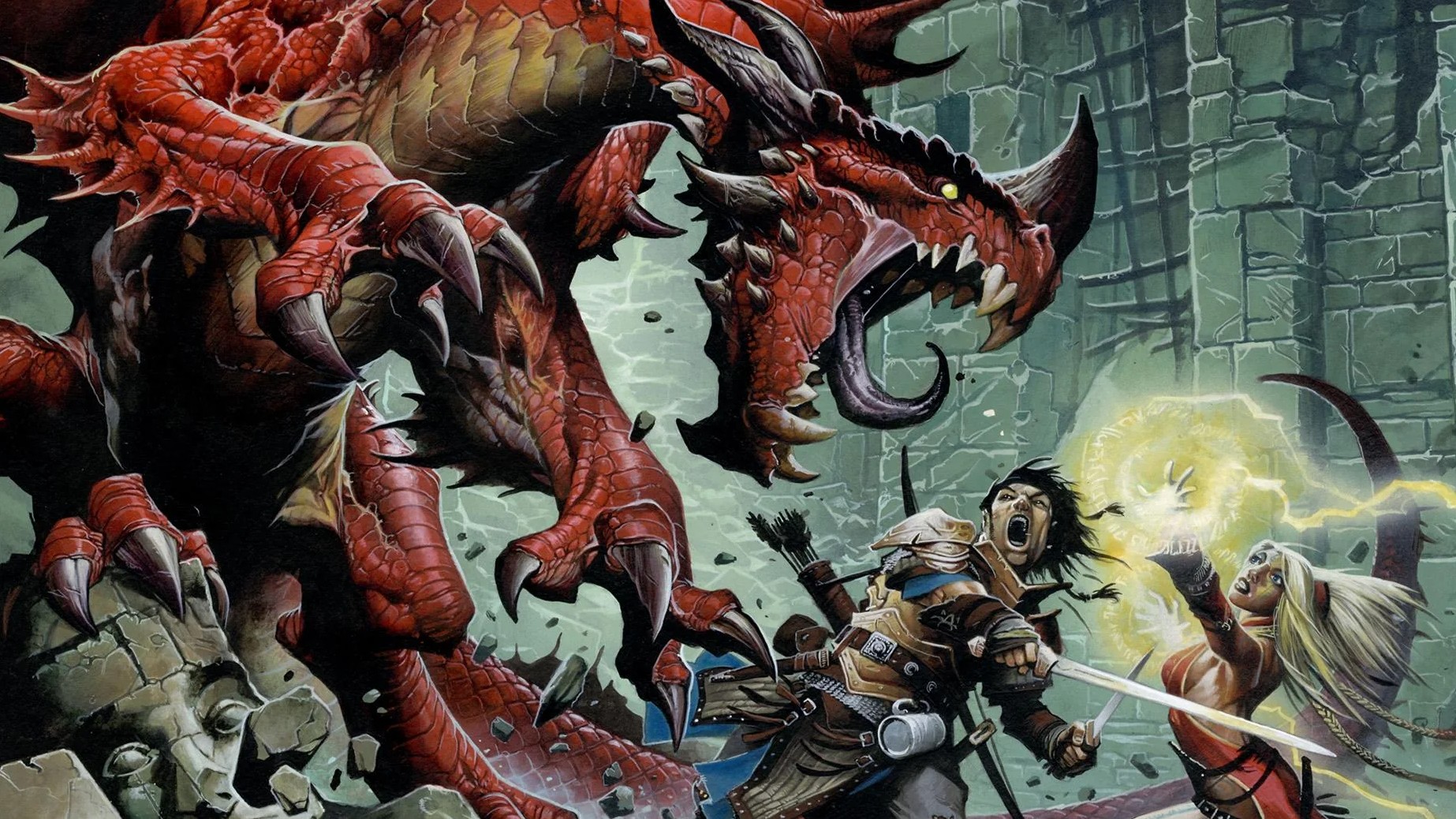
Pathfinder 1e
Über dieses Spiel
Kategorien
Mechaniken
How to Play Pathfinder 1e
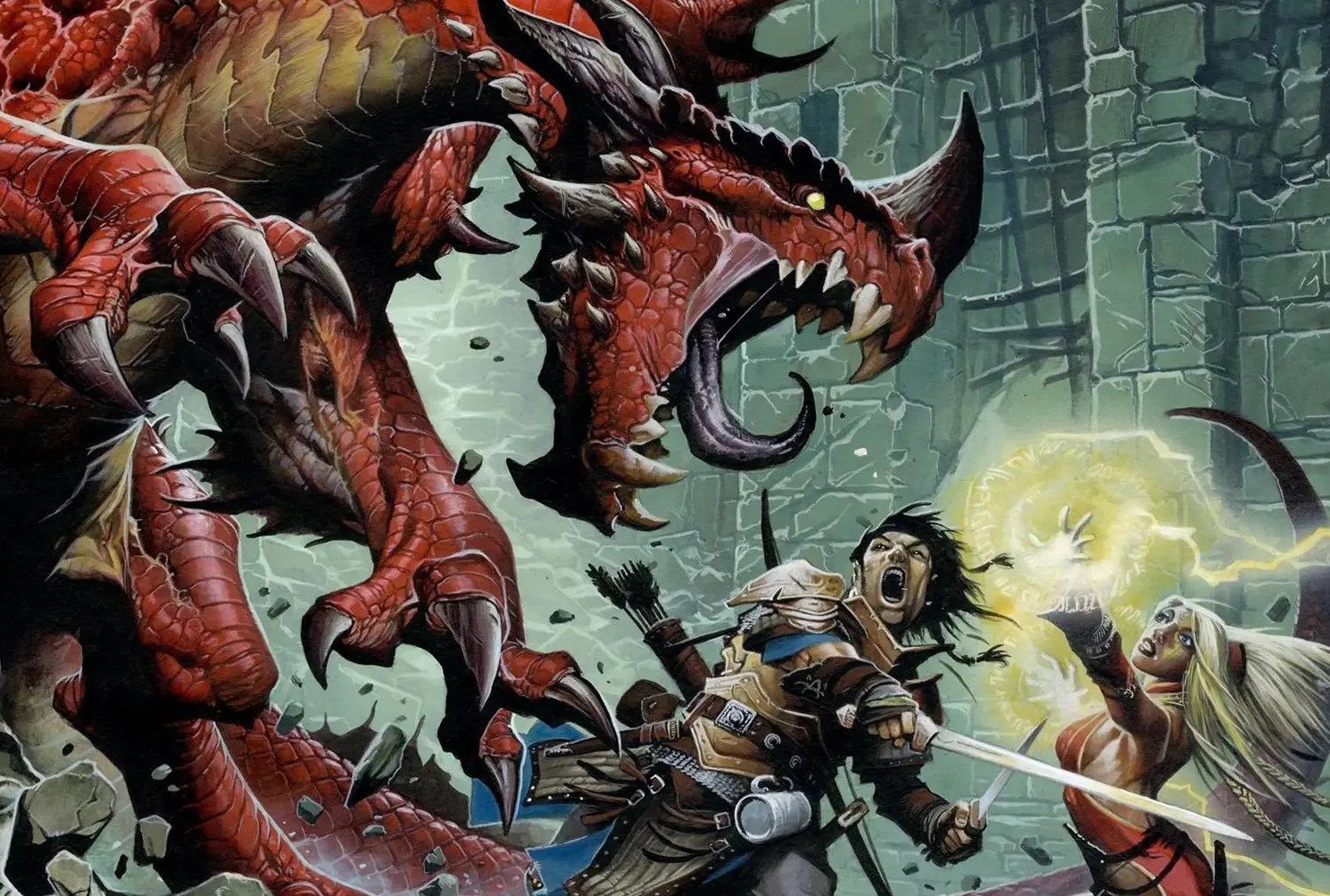
Pathfinder’s core mechanic is rolling a 20-sided die, adding any bonuses or modifiers from a character’s skills, and comparing the result to a target number to determine if a given action succeeds or fails. A character’s abilities come from a combination of their ancestry, class, attributes, and training, all of which players can fully customize from a sprawling selection of options accrued over the game’s 15-year lifespan. Pathfinder also contains robust rules for fighting monsters and other adversaries, delving into dungeons, and exploring trackless wilderness.
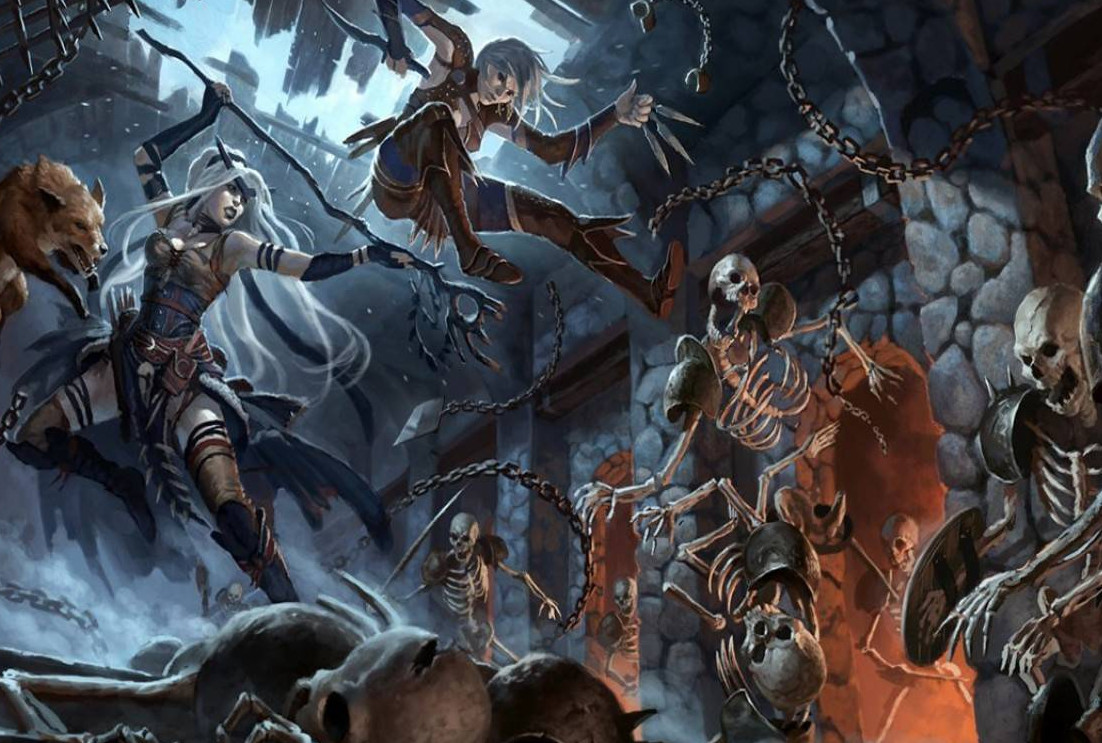
Combat works mostly using the core mechanic, except the target number represents how difficult your target is to hit, a number called their "armor class." A hit deals damage to their hit points, and when anyone, player, monster, or NPC, runs out of hit points, they're defeated. Characters can also cast magic spells, use supernatural abilities, and try any scheme they can imagine in and out of combat. Each spell and ability has a unique effect, but most rely on the core d20 mechanic. Pathfinder also has a wealth of rules for unique situations, edge cases, and circumstances your adventures might find themselves in, and all the rules are available to reference online.
Classes
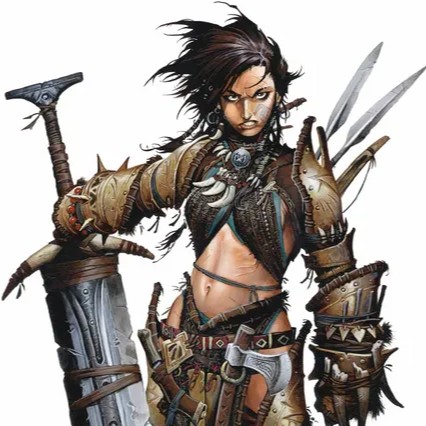
Barbarian
Rage consumes you in battle. You delight in wreaking havoc and using powerful weapons to carve through your enemies, relying on astonishing durability without needing complicated techniques or rigid training. Your rages draw upon a vicious instinct, which you might associate with an animal, a spirit, or some part of yourself. To many barbarians, brute force is a hammer and every problem looks like a nail, whereas others try to hold back the storm of emotions inside them and release their rage only when it matters most.
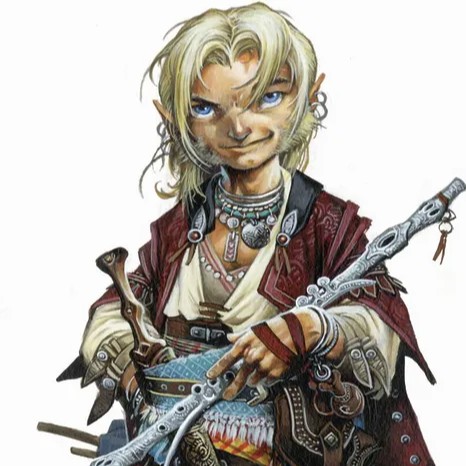
Bard
You are a master of artistry, a scholar of hidden secrets, and a captivating persuader. Using powerful performances, you influence minds and elevate souls to new levels of heroics. You might use your powers to become a charismatic leader, or perhaps you might instead be a counselor, manipulator, scholar, scoundrel, or virtuoso. While your versatility leads some to consider you a beguiling ne’erdo- well and a jack-of-all-trades, it’s dangerous to dismiss you as a master of none.
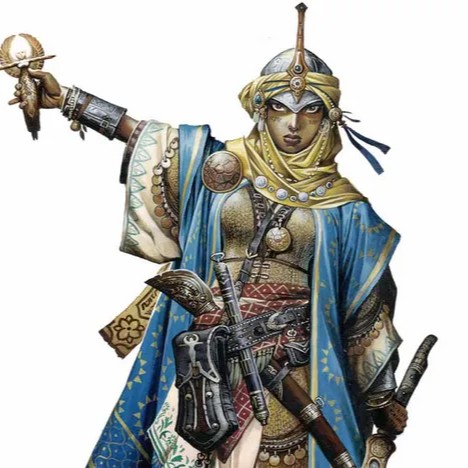
Cleric
Deities work their will upon the world in infinite ways, and you serve as one of their most stalwart mortal servants. Blessed with divine magic, you live the ideals of your faith, adorn yourself with the symbols of your church, and train diligently to wield your deity’s favored weapon. Your spells might protect and heal your allies, or they might punish foes and enemies of your faith, as your deity wills. Yours is a life of devotion, spreading the teachings of your faith through both word and deed.

Druid
The power of nature is impossible to resist. It can bring ruin to the stoutest fortress in minutes, reducing even the mightiest works to rubble, burning them to ash, burying them beneath an avalanche of snow, or drowning them beneath the waves. It can provide endless bounty and breathtaking splendor to those who respect it— and an agonizing death to those who take it too lightly. You are one of those who hear nature’s call. You stand in awe of the majesty of its power and give yourself over to its service.
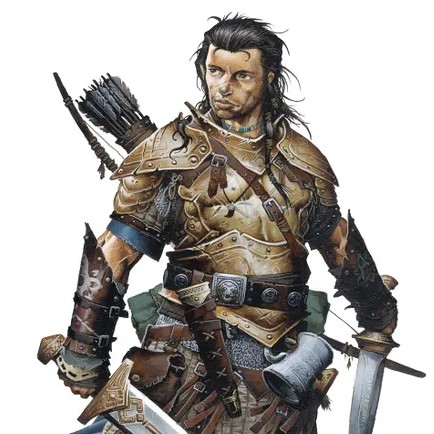
Fighter
Fighting for honor, greed, loyalty, or simply the thrill of battle, you are an undisputed master of weaponry and combat techniques. You combine your actions through clever combinations of opening moves, finishing strikes, and counterattacks whenever your foes are unwise enough to drop their guard. Whether you are a knight, mercenary, sharpshooter, or blade master, you have honed your martial skills into an art form and perform devastating critical attacks on your enemies.
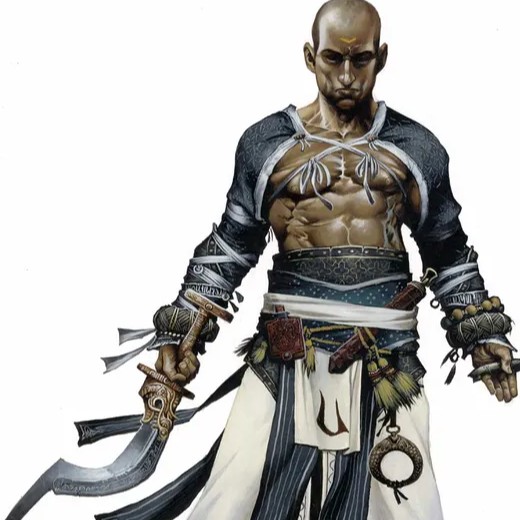
Monk
The strength of your fist flows from your mind and spirit. You seek perfection, honing your body into a flawless instrument and your mind into an orderly bastion of wisdom. You're a fierce combatant renowned for martial arts skills and combat stances that grant you unique fighting moves. While the challenge of mastering many fighting styles drives you to great heights, you also enjoy meditating on philosophical questions and discovering new ways to obtain peace and enlightenment.
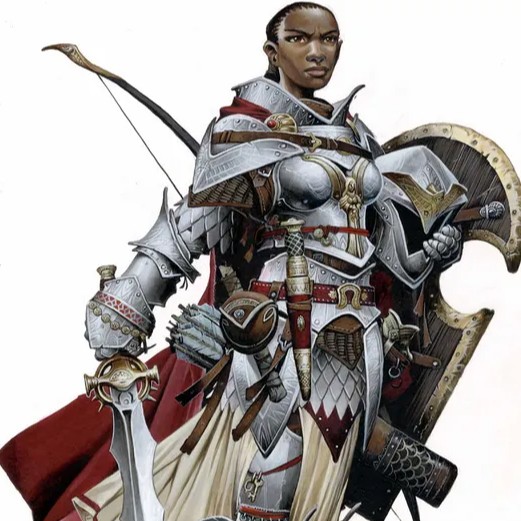
Paladin
The Paladin is a holy warrior bound to an unwavering code of righteousness and virtue. Representing the embodiment of divine justice, the Paladin serves as both a shield for the innocent and a sword against evil. This class is a hybrid of martial prowess and divine magic, wielding holy power to heal, smite enemies, and protect allies.
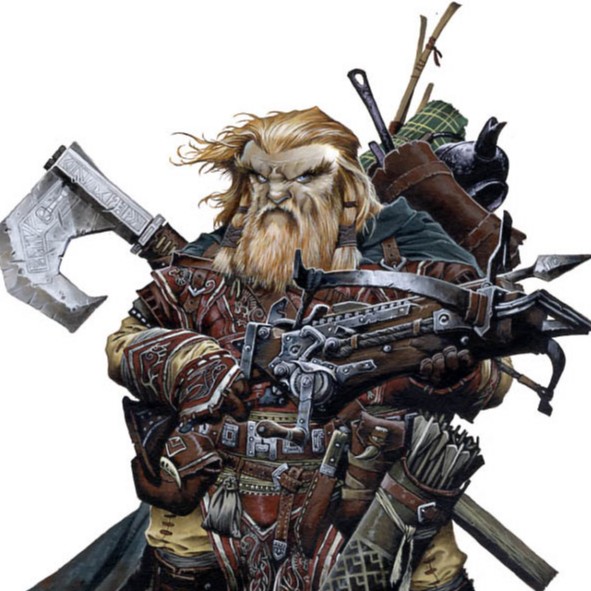
Ranger
Some rangers believe civilization wears down the soul, but still needs to be protected from wild creatures. Others say nature needs to be protected from the greedy, who wish to tame its beauty and plunder its treasures. You could champion either goal, or both. You might be a scout, tracker, or hunter of fugitives or beasts, haunting the edge of civilization or exploring the wilds. You know how to live off the land and are skilled at spotting and taking down both opportune prey and hated enemies.
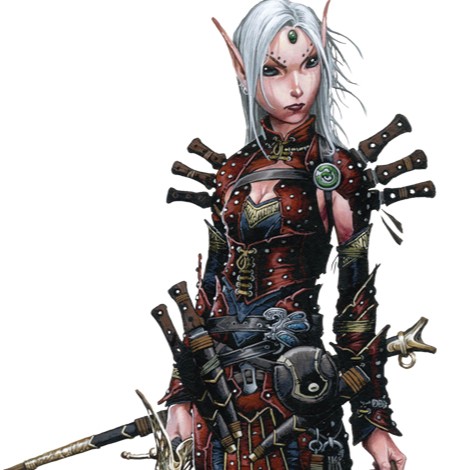
Rogue
You are skilled and opportunistic. Using your sharp wits and quick reactions, you take advantage of your opponents’ missteps and strike where it hurts most. You play a dangerous game, seeking thrills and testing your skills, and likely don’t care much for any laws that happen to get in your way. While the path of every rogue is unique and riddled with danger, the one thing you all share in common is the breadth and depth of your skills.
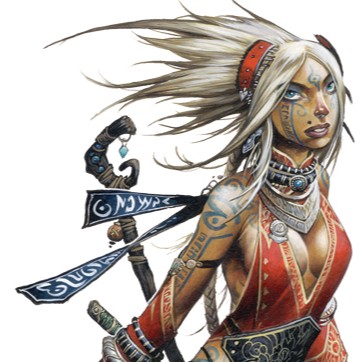
Sorcerer
You didn't choose to become a spellcaster—you were born one. There's magic in your blood. Perhaps a divine influence blessed one of your ancestors, a forebear communed with an ancient, primordial entity, or a powerful occult ritual performed long ago influenced your lineage. Self-reflection and study allow you to refine your inherent magical skills and unlock new, more powerful abilities. The power in your blood carries a risk, however, and you constantly face the choice of whether you'll rise to become a master spellcaster or fall into destruction.
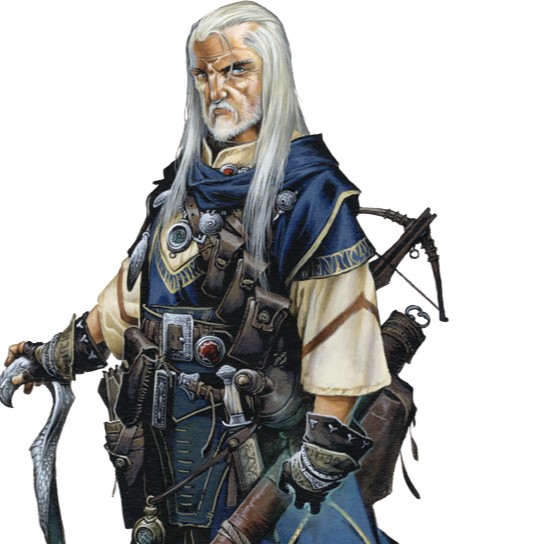
Wizard
You are an eternal student of the secrets of the universe, using your mastery of magic to cast powerful spells. You treat magic like a science, cross-referencing the latest texts on practical spellcraft with ancient tomes to discover and understand arcane magic. Yet magical theory is vast, and there's no way you can study it all. Most wizards learn through formal schooling, with their curriculum informing a specific rubric, although particularly driven researchers sometimes piece together their own theories.
Häufig gestellte Fragen
What is the difference between a one-shot and a campaign?
What supplies do I need to play Pathfinder 1e?
Do I need to be good at math to play Pathfinder 1e?
What if I'm not comfortable with certain themes or content in a game of Pathfinder 1e?
Do I need to know all the rules before I can play Pathfinder 1e?
What dice does Pathfinder 1e use?
Spiel besorgen


Aktive Sitzungen & Kampagnen
Noch keine Spielsysteme verfügbar.
Sitzungen finden