Dungeons & Dragons 5e
About this Game
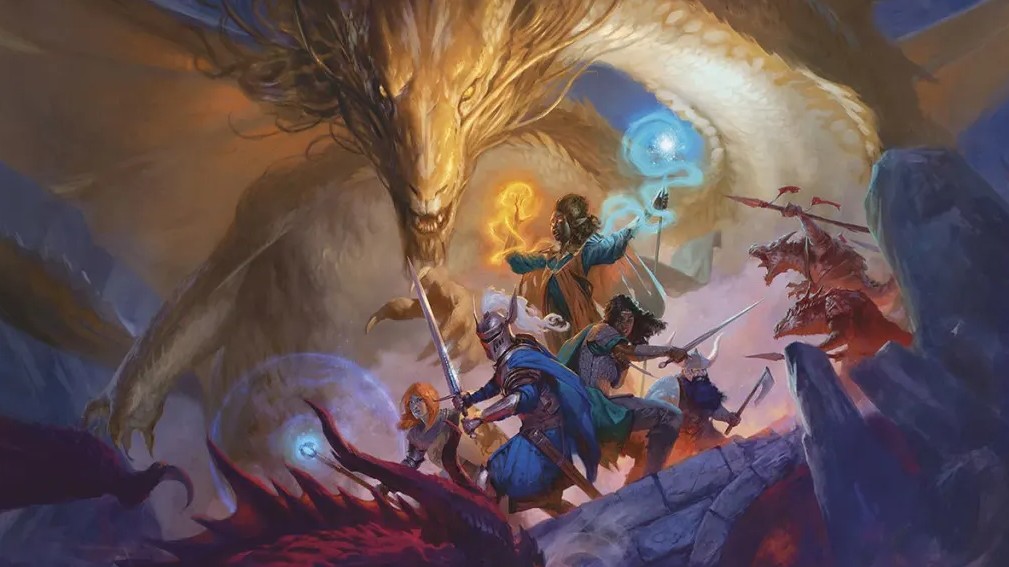
In D&D, you and a table of friends take on the roles of fantasy heroes to fight monsters, seek treasure, grow in power, and hopefully save the world! One player, the Dungeon Master, or DM, acts as the rest of the world, including environments, non-player characters, monsters, and villains. The DM describes a situation, players say what they do, maybe they roll some dice, and the DM tells them how the world responds. As they adventure, characters grow, leveling up as they gain experience and becoming more and more powerful. They'll go from hometown heroes to nigh on demigods, shaping the destiny of the world as they know it.
Whether it's epic fantasy like Lord of the Rings, sword-and-sorcery like Conan, or heroic high fantasy like The Legend of Zelda or Final Fantasy, Dungeons & Dragons can make it happen. The game's "three pillars" of combat, exploration, and roleplay allow you and your table to calibrate your experience. Play in a setting you love, whether it’s the Forgotten Realms, Critical Role’s Wildemount/Exandria, your own steampunk-themed world where wizards ride dinosaurs, or anything in between—your imagination truly is the limit!
Categories
Mechanics
How to Play Dungeons & Dragons 5e
Occasionally, when your characters attempt something difficult or dangerous, you'll need to roll dice to determine whether they succeed or fail. Typically, you'll roll a twenty-sided die, add any bonuses from relevant stats or skills, and compare the number to a difficulty, a target number set by the DM. If you meet or exceed that number, you succeed! This is also how attacking works in combat, except the target number is your target's "armor class," or how difficult they are to hit. It's also how you'll make "saving throws," reactive rolls made to avoid sudden danger.
Some characters can cast magic spells, each of which has its own rules, but might involve attack rolls or saving throws to see if their most powerful effects take place. The game also has some rules for exploration, like tracking light in dark places, resources in the wilderness, and how far you can travel in a day. There's also some rules for social play, negotiating with non-player characters. Generally, the focus of Dungeons & Dragons is right in the name: going into dangerous places and fighting monsters! If you're lucky and skilled, you'll come out with treasure, some new abilities, and an unforgettable story to tell.
Classes
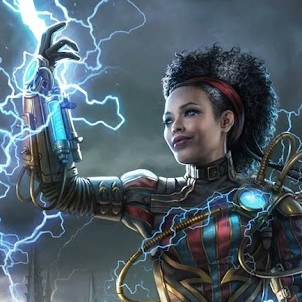
Artificer
Why wait for magic items when you can build your own? The Artificer makes use of tools and science to make magic. This gives you a grab bag of abilities from healing to damage dealing to quickly making a necessary tool. Artificers can enchant normal items to take on magical properties, outfitting their team with powered-up gear or giving themselves a fantasy Iron Man suit.
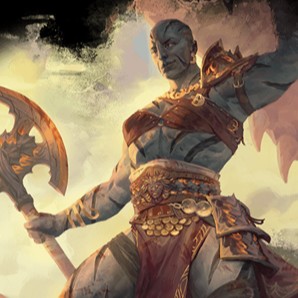
Barbarian
This one’s for those who love to play the undying tank in video games. Barbarians use their rage to perform great feats of strength and halve incoming damage. You can also channel the protection of the world tree, bond with animals, or just kick butt like Grog from Vox Machina. It’s a simple but rewarding playstyle, one that’s perfect for new players who don’t want to get into the complexities of magic.
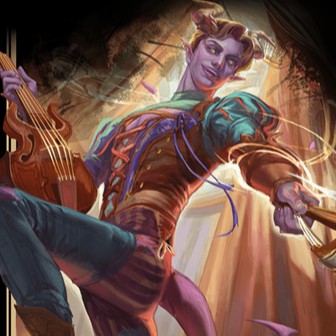
Bard
Your inner theatre kid probably brought you to the Bard. This class uses a variety of performance styles to cast spells and inspire other characters. Let your imagination run wild as you unleash your power through dance, song, spirit calling, or sword dancing, to name a few. You’ll be charming enough to talk your way out of a fight, but tricky enough to hinder opponents once the fists start flying.
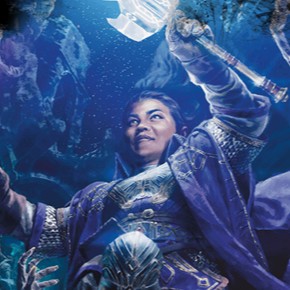
Cleric
MMO players might see Cleric and think dedicated healer, but that’s not the case. While a Cleric can harness powerful healing magic, their full suite of abilities depend on their god. As such, they can wield damaging radiance, craft illusions bestowed by trickster gods, or become the hammer of a war deity. Clerics end up with a nice balance of damage, utility, and sturdiness.
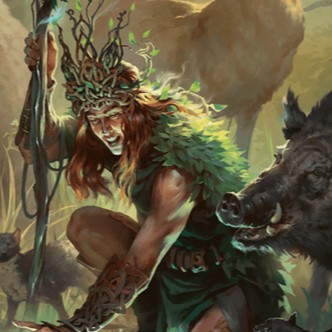
Druid
When you gotta have an animal companion (or twenty) in every game, Druid is for you. Druids draw upon nature’s fury to heal allies, bind enemies, and transform into animals themselves. You can also summon a pet or many deadly pets at higher levels. Become a feral freedom fighter by playing a Druid.
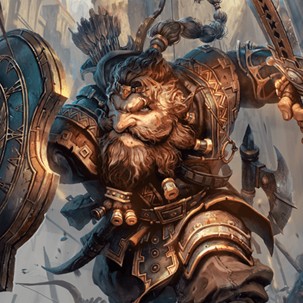
Fighter
If your power fantasy is being the big guy with a big sword, look no further than Fighter. This classic DnD class gives you all the weapons and straightforward rules for using them. Just hit the bad guys a lot. If you want to get tactical, some Fighters can use fancy maneuvers or magic. Whether you want to be swift like Legolas, strong like Guts from Berserk, or versatile like Link from Legend of Zelda, Fighter’s got you covered.
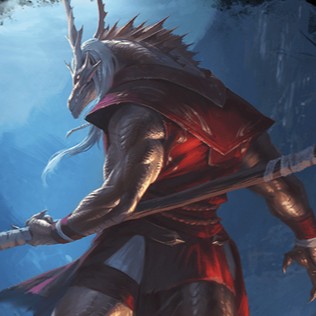
Monk
The martial arts fantasy is alive and well in the Monk. While Fighters often rely on heavy armor and lots of weapons, the Monk is meant to move swiftly and strike with many blows. DnD Monks wield an inner power that’s not quite magic but still lets you perform all sorts of gravity-defying maneuvers. As more abilities unlock, you can become a shadowy assassin, heal with your hands, or wield all four elements like the Avatar.
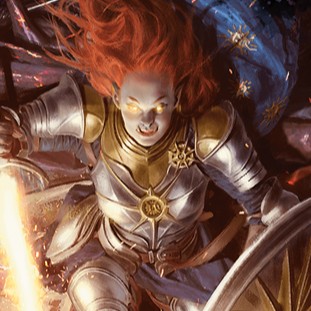
Paladin
The image of a knight in shining armor is iconic to medieval fantasy, and the Paladin delivers with magical flair. They wear armor like the Fighter and can heal like the Cleric, but pack an extra punch with their signature smite. This attack lights your weapon up with divine power and lets you roll extra dice which always feels nice. You can design your Paladin as a holy warrior of justice, guardian of nature, or tortured warrior of vengeance.
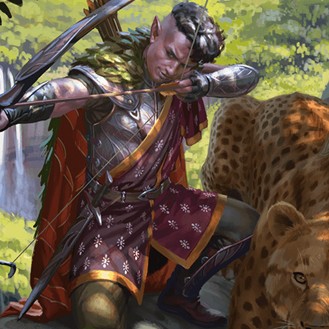
Ranger
Become a lone warrior of the wilds, a wandering blade that protects the fringes of society from evil. The Ranger commands nature magic with pure survival skill to guide the party on long journeys. In battle, they wield weapons with precision to hunt down targets. With level ups, you can boost your Ranger’s abilities with fey powers, shadow magic, or give them a beast companion.
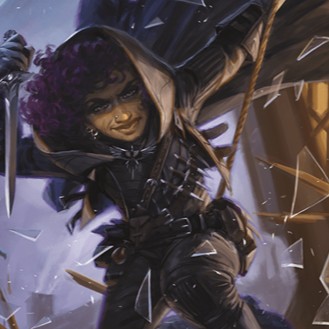
Rogue
A good stealth character can tear enemies apart from the shadows or discover secrets that stop the battle before it even begins. The Rogue is where you go to get that fantasy. You can choose from a variety of skills to customize your Rogue, such as poisoning your blades to become an assassin, learning magic for illusions, or just being a crafty thief.
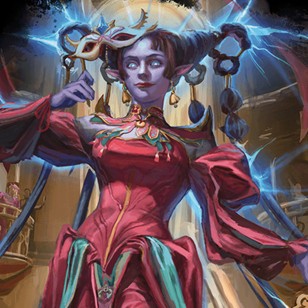
Sorcerer
The Sorcerer class leans into the glass cannon build popular in video games. Their health is on the lower side and they don’t wear armor, but they cast some of the most powerful spells in the game. Sorcerers also have magical mutations that let you empower your spells beyond those of other spellcasters. You also get to choose the source of your magic, be it eldritch mystery, pure chaos, or the blood of dragons.
Warlock
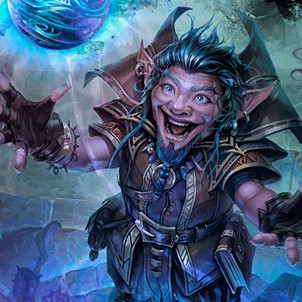
If you like your magic creepy and mysterious, check out the Warlock. These characters get magic from a patron, which can range from a demonic pact to an unknowable elder god. This unique approach to magic grants warlocks a few spells that they specialize greatly in. When a Warlock takes their turn in combat, everyone notices. Warlocks are also fantastic for roleplay as they have a built-in storyline with their patron.
Wizard
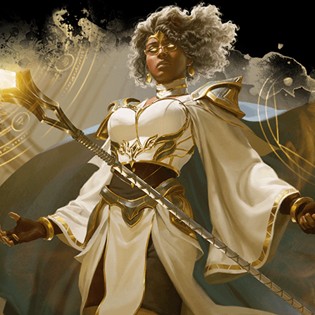
The original spellcaster, and the one who gets all the spells. Wizards don’t get divine help or a mysterious patron, so they have to learn magic the old-fashioned way: by reading. This allows Wizards to gain more spells than any other class as long as they can find books. Wizards can come to the rescue in almost any situation, as their magic can save allies, fool enemies, boost physical abilities, learn secrets, and blow things up.
Frequently Asked Questions
What does TPK mean in D&D?
What does Proficiency mean in D&D?
What is Min Maxing in D&D?
What is a critical hit in D&D?
What is Alignment in D&D?
What is a D&D one shot?
What is the maximum level you can have in a class in D&D 5e?
When did D&D come out?
How do you play D&D online?
How many people do you need to play D&D? / How many people can play D&D?
Who created D&D?
What dice do you need for D&D?
How many D&D books are there?
What do you need to play D&D?
How long does it take to play D&D?
What is homebrew in D&D?
Get This Game


Upcoming Games
No tables for Dungeons & Dragons 5e are scheduled right now. New sessions are posted all the time — check back soon.
Explore sessions with this gameActive Sessions & Campaigns
There are currently 0 game sessions and 1 campaigns using this system.