
Star Wars RPG by Fantasy Flight Games
About this Game
Categories
Mechanics
How to Play the Fantasy Flight Star Wars Roleplaying Game
Essentially, players build characters with unique origins, skills, powers, and equipment, all of which contributes both potentially helpful and risky dice to a pool which is rolled to resolve a challenge. Players tally up the symbols they roll on the dice to determine not only whether they succeed or fail, but also whether they generate some threat or advantage by doing so. Occasionally, the roll might signal a thrilling triumph or terrible doom as well! This way, it’s possible to succeed at some narrative cost, or fail but still gain something useful. Every die roll produces an interesting result!
Once you understand the dice system, you'll understand most of the rules in Star Wars. There are finer points to things like combat and ship battles, chases, gear, and character advancement, but the dice are the core. Be sure to watch the second video in this series for the full rundown on dice, or check the FAQ on this page or the Narrative Dice System!
Classes

Ace
Who doesn’t watch the Original Trilogy and want to hop in an X-Wing? The Ace is the place to live out all your space combat dreams. Their skills are pretty much all geared towards flying a ship, shooting down Ties, and making it out alive. Though you are handy with a blaster.
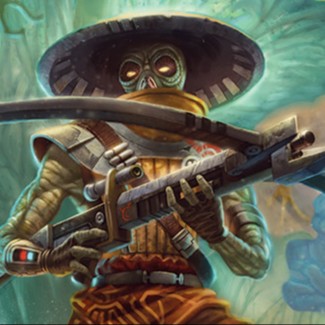
Bounty Hunter
Be ruthless in combat and always find your mark with this career. You’ll gain skills in hand-to-hand combat and weapons, gathering intel, and piloting. Your special abilities help you hunt enemies and destroy them in battle.
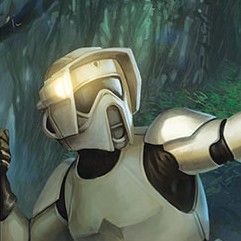
Clone Soldier
As a soldier trained from birth, your skills are pretty straightforward. These boys are good with ranged weapons, can hold their own in a brawl, and stay disciplined under stress. Their special ability makes them naturals at teamwork, especially with their clone brothers. Further specialization lets you become an elite clone like a pilot or ARC Trooper.
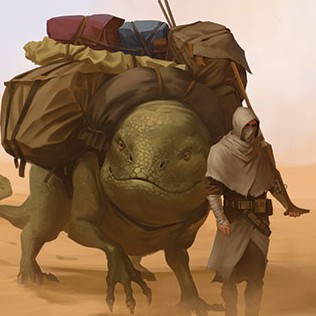
Colonist
The Colonist career might not wield a lightsaber or fly the fastest ship, but they’re great at working their way through the social ladder. They have several knowledge and charm skills, plus the special ability to notice things others often overlook. They can later specialize in medical care or leadership.
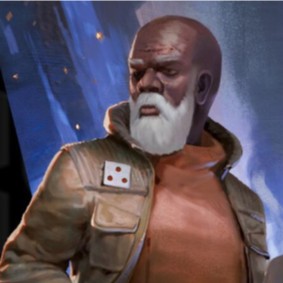
Commander
Leia is but one example of a Star Wars hero known for their ability to inspire. The Commander has social and observation skills and can still use a blaster. Their special abilities allow you to give rousing speeches and direct subordinates.
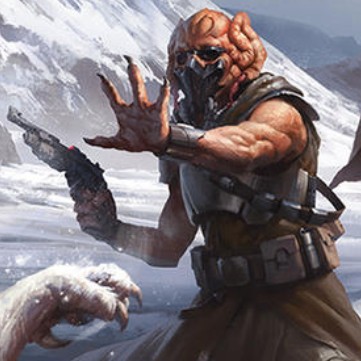
Consular
These peacemakers use special abilities to easily negotiate with anyone and teach allies to boost their skills. They can lead others and keep a cool head no matter how bad things get. Should danger emerge, they can defend themselves with Force Powers.
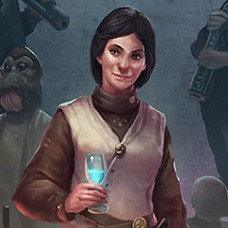
Diplomat
This one’s for the players who like talking their way out of a fight. The Diplomat comes with knowledge of many worlds and species as well as negotiation skills. Their signature ability stops combat from breaking out with a few well-spoken words.
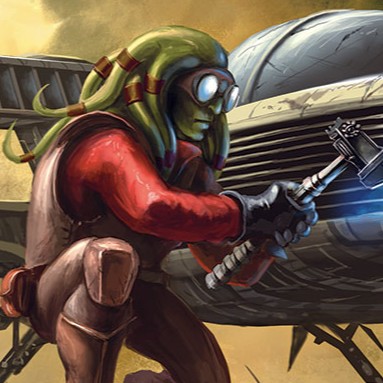
Engineer
The Star Wars FFG Engineer has all the mechanics, computing, and piloting skill you’d expect of the name. This version is more combat trained, however, on account of being part of the Rebellion. Their special ability can destroy large vehicles in seconds.
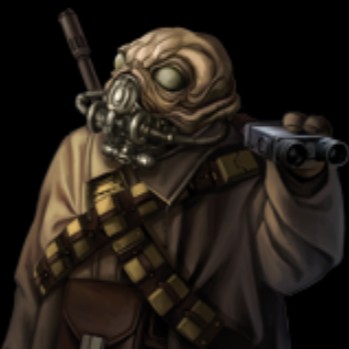
Explorer
Explorers are highly-skilled characters like Colonists, but they thrive during space travel. Star Wars FFG Explorers can pilot a spaceship, specialize in several fields of knowledge, and can endure in hostile terrain. They can be a wonderful scout or trader for the group.

Guardian
The Jedi were guardians as much as peacekeepers, and this career reflects that. You’ll get brawling skills and resilience along with use of the Force. The Guardian’s cool special ability can force a one-on-one Fated Duel with a foe.
Hired Gun
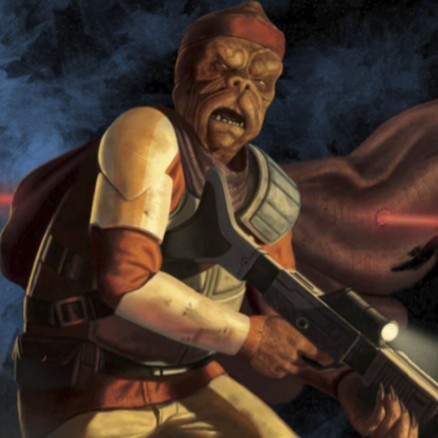
The name says it all. You don’t run an independent business like a bounty hunter, so no spaceship of your own, but you don’t care. You can take lots of damage and dish it back out. It’s a great beginner class and plays close to being unstoppable like Chewbacca.
Jedi
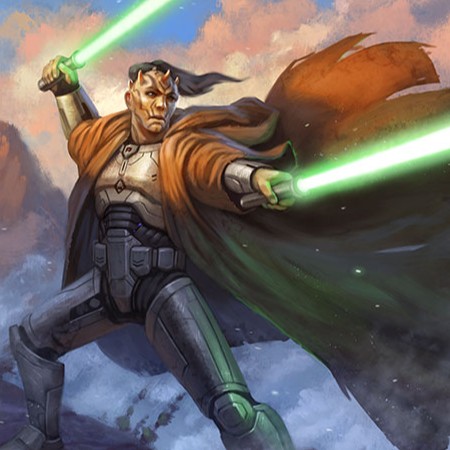
You’re athletic, you stay calm under pressure, you can fly a ship, you get Force powers, and of course, you wield a lightsaber. As this version of the Jedi comes from the Clone Wars, you also get a special ability that represents your knack for deflecting blaster bolts. Enjoy being the coolest, just don’t expect the rank of Master right away.
Mystic
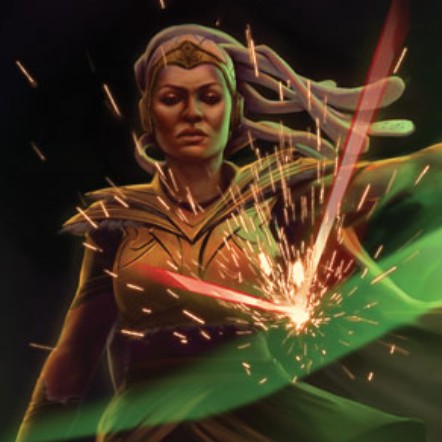
A Star Wars FFG Mystic gets the mysterious and dangerous power of prophecy. They can get visions of future events via the Force and can sometimes stop them from coming to pass. In more everyday scenarios, they specialize in using their great knowledge to excel in social situations.
Seeker
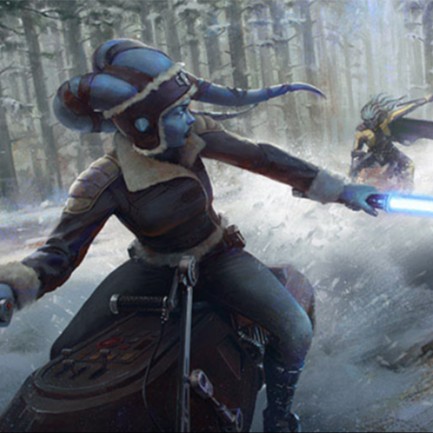
If you play a Seeker, you spearhead trips to unknown regions of the galaxy. Your knowledge of alien life and survival skills help in hostile environments, and your piloting skills take the group where they need to go. When things get tough, you have the Force as your ally. The special ability can incapacitate an opponent in one hit.

Sentinel
The Star Wars FFG Sentinel is a protector by name, but their skills tell a more complex story. A Sentinel works well with computers, is a natural deceiver, and can easily pick a pocket without being noticed. Their special abilities give them shady contacts in a city and ensure they always shoot first. They can also use Force powers, but are more susceptible to the Dark Side than other careers.

Smuggler
This career has a talent for getting into trouble and promptly finding their way out of trouble. In fact, their special abilities are tailored towards escape and being lucky. Their more general skills involve observation, deception, and piloting a spaceship.

Soldier
Battle-hardened warriors at the front line of Rebel military operations. This career gives you melee and weapon combat options galore, but more importantly the endurance to stay in the fight. You can develop medical skills to heal as well as the special ability to keep fighting after severe injury.
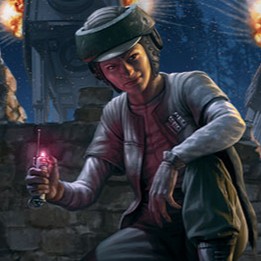
Spy
Sneaking into an Empire base dressed as Stormtroopers is a classic Star Wars scene. The Spy career lends itself to such endeavors. You’ll of course have stealth, deception, and perception skills, but you’ll also get knowledge of computers to help steal data. Spy special abilities help you fast talk your way out of danger and counter enemy spycraft.

Technician
You know those moments in Star Wars when the heroes are being chased by enemy ships but can’t jump to lightspeed because some part is broken? You could be the one to fix the random blinking panel if you play Technician. They can also create just the right gadget for the moment with their special ability.

Warrior
Wield the Force and kick lots of butt. That’s the warrior in a nutshell. They specialize in melee skills, with a special ability that lets them unleash fury on their poor target. However, a violent path left unchecked can quickly lead to the Dark Side.
Frequently Asked Questions
What are the different Star Wars RPG books?
What is the difference between a one-shot and a campaign?
What supplies do I need to play the Star Wars RPG by Fantasy Flight Games?
Do I need to know all the rules before I can play the Star Wars RPG by Fantasy Flight Games?
Do I need to be good at math to play the Star Wars RPG by Fantasy Flight Games?
What dice do I need for Fantasy Flight's Star Wars Roleplaying games?
How do narrative dice work in Star Wars RPG by Fantasy Flight Games?
Get This Game



Active Sessions & Campaigns
No game systems available yet.
Find sessions